

Things to Know Before attending Oktoberfest in Munich (2026)
Oktoberfest was always on my “someday” list, so when some friends asked us to join, it was a quick yes! For once, though, I didn’t have a huge part in planning this one. It turned out to be the best time, and I absolutely LOVED the day trips we took during our time in Germany! There are a few thigns I’d do differently and a few tips and tricks I picked up along the way, so I’m excited to share my top things to know before attending Oktoberfest in Munich!
This site contains affiliate links to products. I may receive a commission for purchases made through these links at no extra cost to you. There are only products included that I truly love. I APPRECIATE your support!
Table of Contents
What is Oktoberfest?
Every fall, the city of Munich transforms into one giant celebration during Oktoberfest, the world’s largest beer festival and one of Germany’s most iconic cultural events.
Originally started in 1810 as a royal wedding celebration, Oktoberfest has grown into a 16-to-18-day festival filled with massive beer tents, traditional Bavarian music, carnival rides, giant pretzels, roasted chicken, and locals dressed in lederhosen and dirndls.
Today, millions of visitors from around the world travel to Munich each year to experience the lively atmosphere, Bavarian traditions, and unforgettable energy of Oktoberfest.
When is Oktoberfest in Munich (2026)
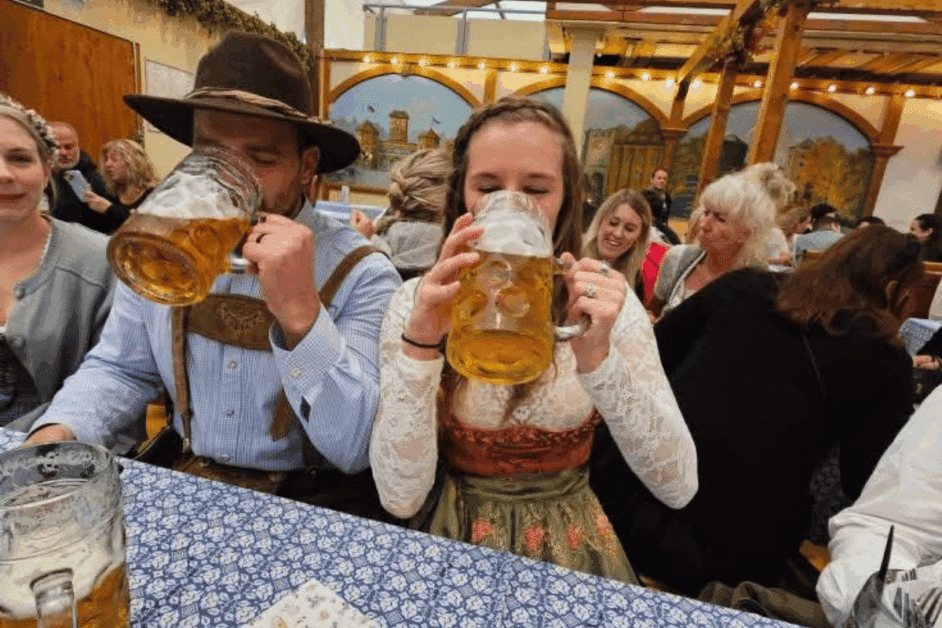
Despite the name, most of the festival actually takes place in September, ending during the first weekend of October. The festival traditionally begins on a Saturday in mid-to-late September and lasts for about 16 to 18 days, ending on the first Sunday in October (or October 3rd if German Unity Day extends the celebration).
While many people assume it happens entirely in October, the warmer weather and longer daylight hours of September actually make for a much more enjoyable festival experience. The busiest days are typically weekends, especially opening weekend and the final weekend of the festival.
Know Before You Go: A first-timers guide to Oktoberfest
Here are 10 things that will be helpful to know before your visit to Munich.
1. Oktoberfest Is Not in October (Mostly)
Contrary to popular belief, Oktoberfest usually starts in late September and runs into the first weekend of October. The weather is generally nicer in September, which is why the dates shifted.
In 2026, Oktoberfest will run from September 19th to October 4th. The dates do change a bit each year, so if you are planning for 2027 or beyond, be sure to double check.
2. Oktoberfest Has Free Admission
One of the best things to know before visiting Oktoberfest is that there is no admission fee to enter the festival grounds. You can walk around Theresienwiese, soak up the atmosphere, enjoy the music, and even check out the tents without spending a single euro.
This also means you’re free to come and go throughout the day, which is especially helpful when crowds peak or you need a break from the noise and beer halls.
3. You Don’t Need a Reservation—But It Helps A Lot
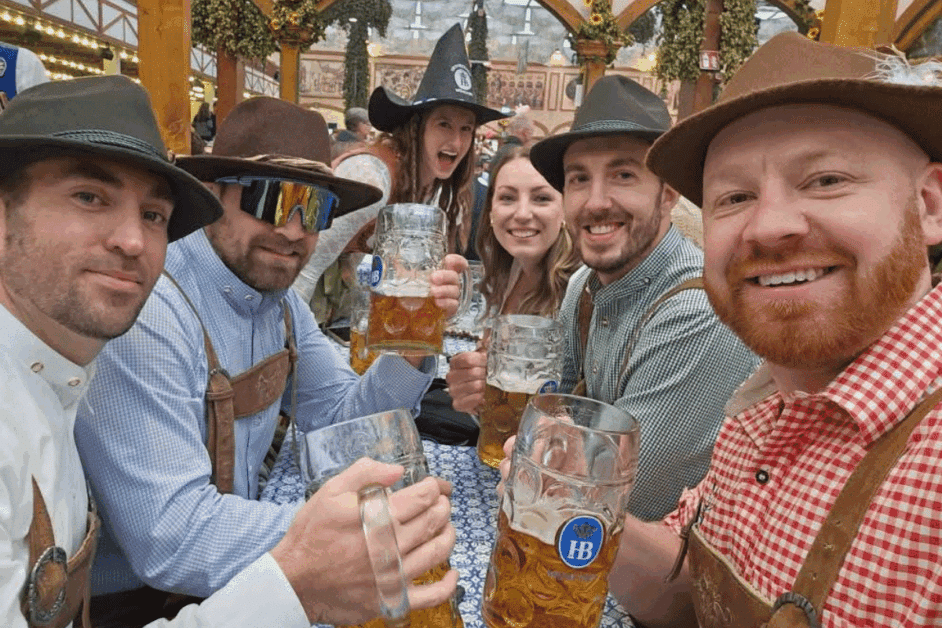
There are massive beer tents (Festzelte), and many sections are reservation-only, especially on weekends and evenings. You can show up without one, but that usually means:
- Going early (before noon)
- Standing in long lines
- Being flexible with which tent you enter
- Asking strangers to join their table.
If this is a once-in-a-lifetime trip, consider reserving at least one tent experience. Tent reservations typically open between December and March, and you can make the reservation directly through each specific tent.
We had a midday reservation in the Hofbrau Tent and it cost about 75 dollars per person (if you have 10 people). The fee included the table, and tokens for beers (2 pp) and chicken (1 pp).
4. Beer Is Served by the Liter (and It’s Strong)
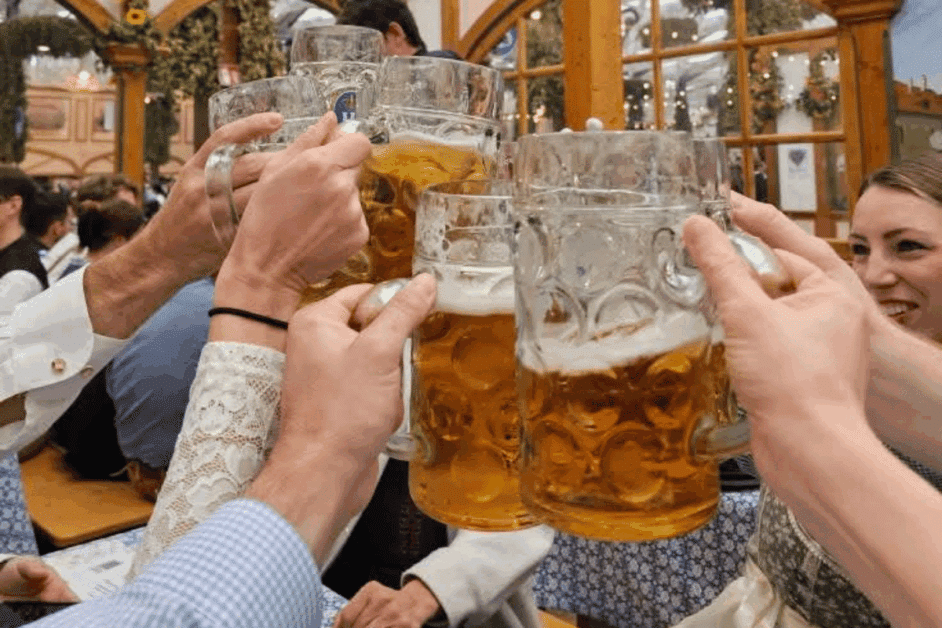
Beer is sold in 1-liter steins (Maß). Oktoberfest beer is brewed specifically for the festival and is stronger than regular German beer, typically around 6% ABV. I’m not a beer drinker, so I can’t attest to it, HOWEVER, my whole group was feeling it when 5:00 pm rolled around (they were ALL sleeping).
So, go slow and know that it’s not your normal beer 🙂
AND eat first. Always. The chicken is delicious.
5. Traditional Clothing Is Optional—but Worth It
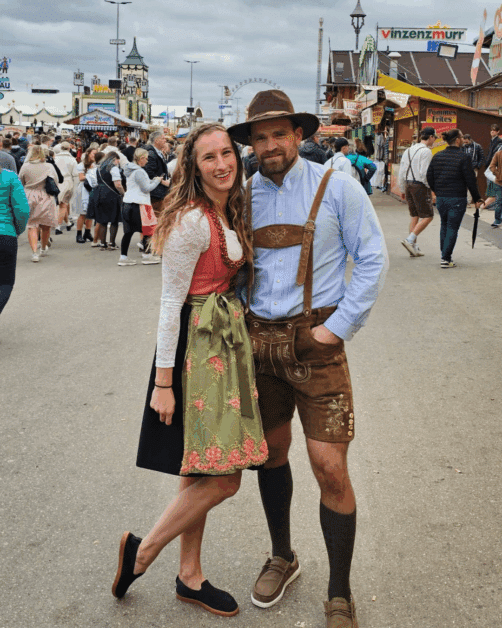
You don’t have to wear a dirndl or lederhosen, but many visitors do, and it adds to the experience. Locals can spot cheap costume versions easily, but no one expects tourists to get it perfect.
I bought mine ahead of time on Etsy from a traditional German shop (it was SPENDY), but most of the group rented theirs when we arrived in Munich. Be sure to set up a rental appointment before arriving though!
If you do wear traditional clothing:
- Avoid plastic Halloween-style costumes
- Comfortable shoes are non-negotiable
- Bring layers—it gets chilly at night
6. Cash Is King
Many tents and food stands do not accept cards. ATMs exist on the festival grounds, but lines can be long and fees high. We did use the ATM on the grounds and paid the price for it. But, it got the job done.
7. Oktoberfest Is for More Than Just Drinking
Yes, beer is the main attraction, but Oktoberfest also includes:
- Traditional Bavarian food (pretzels, roast chicken, sausages)
- Live brass bands and folk music
- Carnival rides and games
- Family-friendly areas earlier in the day
If heavy drinking isn’t your thing, daytime visits are calmer (take the word calm very lightly…it’s always pretty busy) and more cultural.
8. Crowds Are No Joke—Plan Accordingly
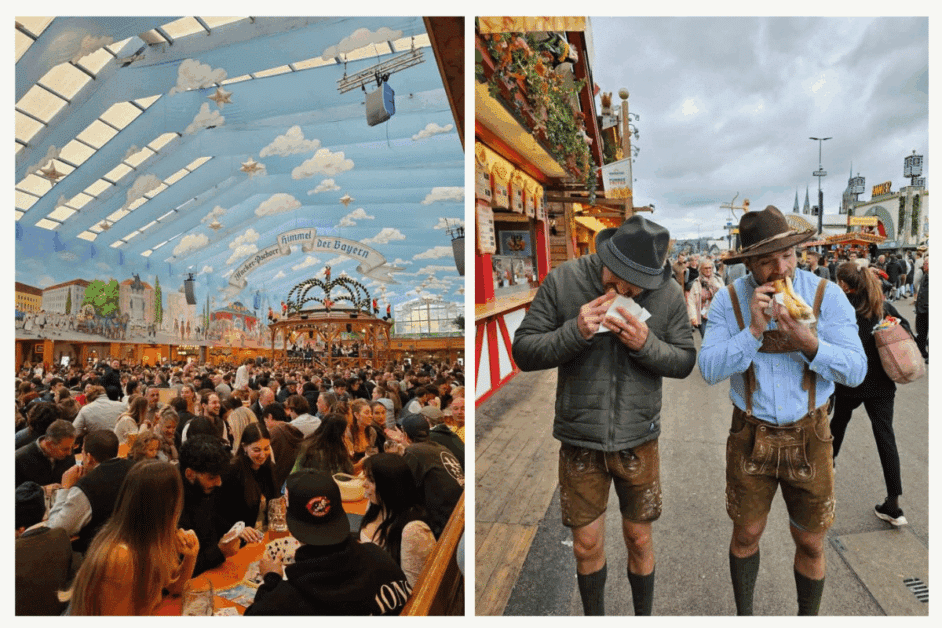
Oktoberfest welcomes millions of visitors each year. Weekends, evenings, and opening weekend are especially packed. We arrived at opening, but by 3pm it was jam-packed.
To avoid peak chaos:
- Visit on a weekday
- Arrive early (late morning)
- Choose smaller tents for a more relaxed vibe
9. Hotel Prices Skyrocket (and Sell Out Fast)
Munich hotel prices during Oktoberfest can double—or triple. Staying outside the city and using public transportation is common and totally doable.
Look for accommodations:
- Near U-Bahn or S-Bahn lines
- In surrounding towns with direct train access
- As early as possible (months ahead)
We stayed at the Mercure Hotel in Olympia Park. It was about 6km from the Marienplatz and 5km from Theresienwiese (where Oktoberfest is held). There was on-site parking for $25 a night, and it was right down the street from the LeonrodPlatz train station. The hotel itself was basic, but comfy and had everything we needed. There was a bar in the lobby and a breakfast buffet for an additional cost.
Check current pricing and availability here Or see more hotel options here!
10. Pace Yourself—This Is a Marathon, Not a Sprint
This sounds obvious, but it’s the #1 Oktoberfest mistake. Between strong beer, long days, and sensory overload, burnout happens fast. Eat regularly, drink water between beers, take breaks from the crowded tents, and don’t try to do everything in one day.
11. You Can’t Bring Large Bags Into the Tents
Security is tight. Large backpacks and oversized bags are often not allowed inside tents (and also, you don’t want to be carrying it around all day). Stick with hands-free options and minimal essentials.
12. Take Time to Explore Munich beyond the tents
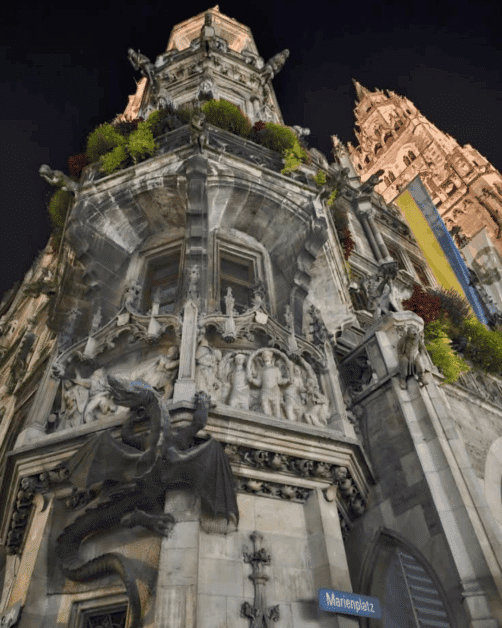
Because Oktoberfest is free to enter and re-enter, it’s worth planning time away from the festival to explore more of Munich. Some of the best Oktoberfest trips balance tent time with sightseeing, quieter meals, and neighborhood wandering, especially if it’s your first time in the city.
Munich has so much to offer beyond Theresienwiese, and stepping away for a few hours can make the overall experience feel more relaxed and less overwhelming.
13. Plan Day Trips
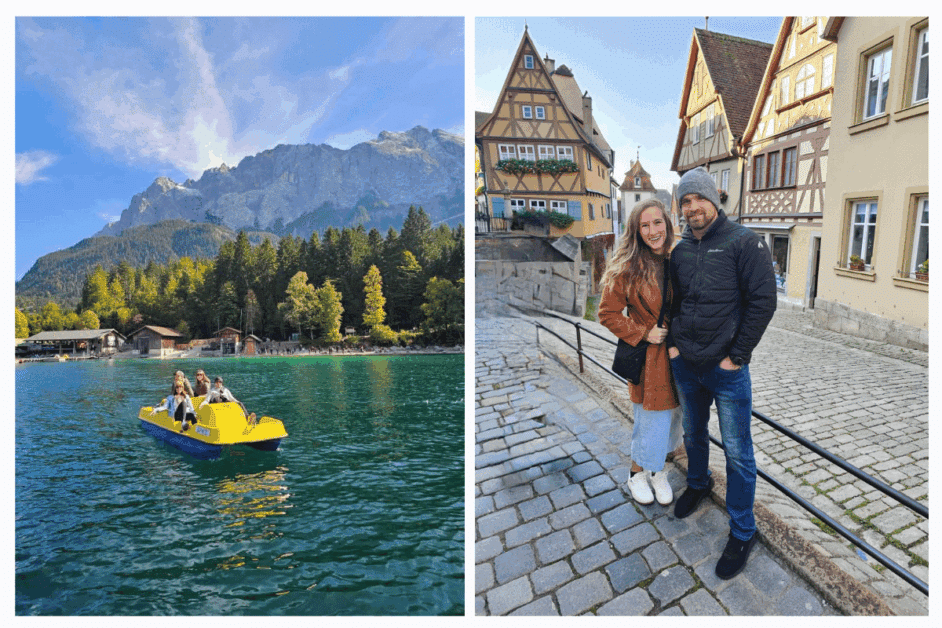
Andddd saving the best for last. Germany is SO MUCH MORE than Oktoberfest. Yes, Oktoberfest is fun and should def be on your bucket list, but the country is absolutely beautiful. When planning your trip, factor in time for some epic day trips.
During our 5 days, we drove the Romantic Road, took the train to Dachau Concentration camp, drove to Neuschwanstein Castle, and took the train to Zugspitze (the highest point in Germany).


Comments Off on Things to Know Before attending Oktoberfest in Munich (2026)