

Grand Teton to Yellowstone to Glacier: 10 Day Summer Road Trip Itinerary
If you’ve ever dreamed of linking together some of the most jaw-dropping landscapes in the American West, this Grand Teton to Yellowstone to Glacier 10-day road trip itinerary is the kind of adventure that makes every mile worth it. In just over a week, you’ll move from the sharp, dramatic peaks of Grand Teton National Park to the geysers and wildlife of Yellowstone National Park and finally to the glacier-carved valleys and alpine lakes of Glacier National Park, all connected by some of the most scenic drives in the country.
This itinerary is designed for travelers who want a balanced road trip…enough time to hit the must-see stops, but with breathing room for hikes, wildlife sightings, and those “pull over right now” photo moments.
Whether you’re working with limited PTO (any fellow teachers on summer vacay?!) or finally tackling a bucket-list loop through Wyoming and Montana, this guide breaks down exactly how to make the most of 10 days…where to go, how long to stay, and what’s truly worth prioritizing along the way. Consider this your no-stress blueprint for an unforgettable national parks road trip.
This site contains affiliate links to products. I may receive a commission for purchases made through these links at no extra cost to you. There are only products included that I truly love. I APPRECIATE your support!
Table of Contents
10 Days Grand Teton to Yellowstone to Glacier: TLDR Quick Itinerary
This post is well over 5,000 words and full of allllll the details. But I know that not everyone is interested in diving right in. So, check out this quick itinerary first to make sure it looks like your kind of trip. If so, keep reading to help make your planning painless!
- Day 1: Arrive in Jackson Hole: Arrive, check in, explore downtown, evening gunfight show, dinner in Jackson Hole
- Day 2: Grand Teton National Park: Jenny Lake boat shuttle, hike to Inspiration Point, picnic, and swimming at String Lake
- Day 3: Grand Teton National Park: Sunrise at Mormon Row, breakfast at Schwabacher Landing, afternoon excursion (rafting, horseback riding, or canoeing)
- Day 4: Drive to Yellowstone: Relaxed morning, drive to Yellowstone, lunch at Jackson Lake Overlook, West Yellowstone hotel check-in
- Day 5: West Yellowstone Loop: Grand Prismatic Spring, Old Faithful, West Thumb, Hayden Valley, Brink of the Lower Falls
- Day 6: North Yellowstone: Sunrise wildlife drive in Lamar Valley, Tower Falls, Mammoth Hot Springs, North Yellowstone Hotel check-in
- Day 7: Drive to Glacier National Park: Drive to Glacier, optional Lewis & Clark Caverns stop, St. Mary Hotel Check-in
- Day 8: Glacier National Park (East Side): Grinnell Glacier hike or St. Mary Falls and lake activities, dinner in St. Mary
- Day 9: Going-to-the-Sun Road: Wild Goose Island, Logan Pass, Hidden Lake Trail, Avalanche Creek (time permitting), sunset at Lake McDonald
- Day 10: Departure: Depart from Kalispell or Missoula, with an optional Flathead Lake stop
Starting This Road Trip
| Airport | Best For | Drive Time to Jackson / Tetons | Why Choose It |
|---|---|---|---|
| Jackson Hole Airport (JAC) | Ultimate convenience | ~15 minutes | The only airport located inside a national park. Ideal if flights are available and within budget. |
| Idaho Falls Regional Airport (IDA) | Tetons-first itineraries | ~2 hours | Often cheaper and easier to book than JAC with a straightforward drive into Jackson Hole. |
| Bozeman Yellowstone International Airport (BZN) | Loop or Glacier-ending trips | ~4.5 hours | More flight options and works well if continuing north toward Glacier National Park. |
| Salt Lake City International Airport (SLC) | Best prices & flexibility | ~4.5–5 hours | Major hub with frequent nonstop flights and typically the lowest fares. |
| Missoula International Airport (MSO) | Ending in Glacier | ~6–7 hours | Great option for one-way itineraries finishing near West Glacier. |
The easiest and most logical place to start this road trip is Jackson Hole, which sits just minutes from the entrance to Grand Teton National Park.
If you’re flying in, book your flight into Jackson Hole Airport. It’s the only commercial airport located inside a U.S. national park and offers unbeatable convenience.
That said, flights into Jackson Hole can be limited, seasonal, or expensive, especially during peak summer months. If availability or pricing doesn’t work in your favor, several nearby airports make excellent alternatives with minimal impact on your overall itinerary.
The most popular backup is Bozeman Yellowstone International Airport, which offers far more flight options and works particularly well for travelers planning to continue north toward Glacier.
Idaho Falls Regional Airport is another efficient choice, providing an easy drive into Jackson and a smooth starting point for Tetons first itineraries.
For the greatest flexibility, Salt Lake City International Airport often has the best fares and nonstop routes, though it requires a longer scenic drive to reach the Tetons.
For this particular 10-day itinerary, I recommend flying into Jackson Hole and out of Missoula for ultimate convenience and the shortest drives.
Best Time for This Road Trip
The best time to do this Grand Teton → Yellowstone → Glacier road trip is mid-June through mid-September, when mountain roads are fully open, and conditions are most reliable. Because this route crosses high-elevation passes and relies on seasonal roads, timing matters more here than on many other U.S. road trips.
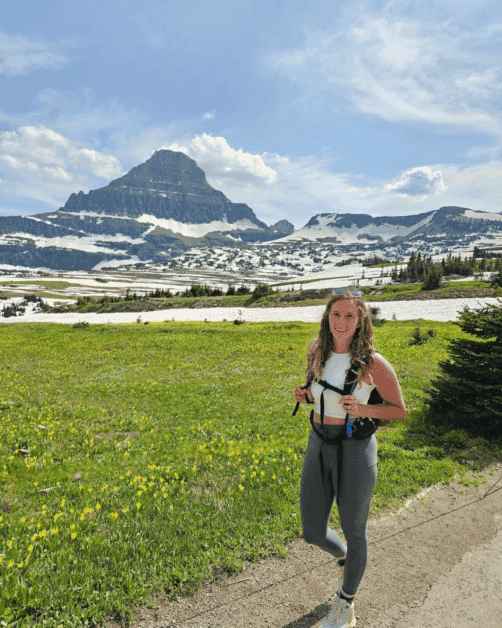
- Late June to early July is ideal if you want fewer crowds and lush landscapes. Snow may still linger at higher elevations, especially in Glacier National Park, but by late June, the famous Going-to-the-Sun Road is often open (exact dates vary year to year).
- July and August offer the most predictable access across all three parks, but also bring peak crowds, higher lodging prices, and the need for advance reservations.
- Early September is a sweet spot if you want cooler temperatures, fewer families, and early fall color in Glacier. Most services remain open, though some seasonal tours and campgrounds begin closing mid-to-late September.
Know Before You Go
Before diving into the day-by-day details, here are a few important things to know that will make this Grand Teton → Yellowstone → Glacier road trip smoother, safer, and far less stressful.
- Park passes & fees
- All three parks—Grand Teton, Yellowstone, and Glacier—require entrance fees.
- The America the Beautiful Annual Pass is usually the best value if you’re visiting multiple national parks.
- Expect slow drives & wildlife delays
- Bison jams, wildlife crossings, and road construction are common, especially in Yellowstone.
- Always add buffer time to driving days.
- Wildlife safety
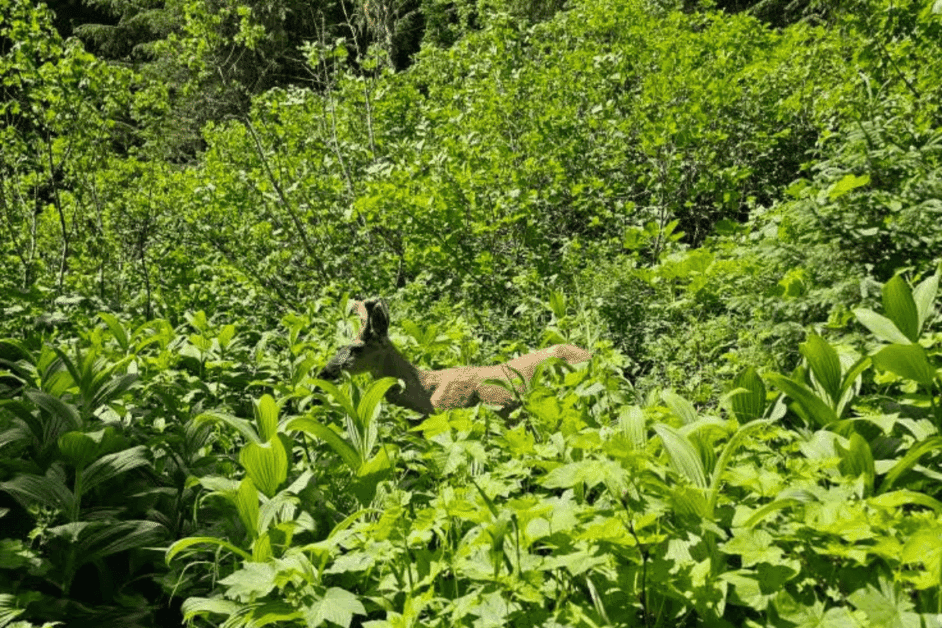
- Keep at least 100 yards from bears and wolves and 25 yards from all other wildlife.
- Carry bear spray if hiking in the Tetons, Yellowstone and Glacier and know how to use it (this is a must even on busy trails).
- Gas, food & cell service
- Fill up on gas in gateway towns like Jackson, West Yellowstone, and Columbia Falls.
- Cell service is limited; download offline maps ahead of time.
- Weather & packing
- Expect cool mornings, afternoon storms, and big temperature swings.
- Pack layers, a rain jacket, sun protection, sturdy hiking shoes, and plenty of water.
- Lodging books EARLY
- Hotels, lodges, and campgrounds near the parks often sell out MONTHS in advance.
- Book early for peak season (July–August) for the best options.
- Timed entry & parking reality
- While the parks no longer require entry reservations, parking lots fill early.
- Plan to start popular hikes and scenic drives early in the morning.
- One-way trip planning
- This route works well as a one-way road trip (flying into Jackson Hole and out of Montana).
- This can save time and reduce backtracking.
Where to Stay Along The Way
Jackson Hole (Days 1–3)
Stay in downtown Jackson or just north of town near the park entrance. This gives you easy access to restaurants, grocery stores, and nightlife, while keeping drive times short for early mornings in Grand Teton National Park.
Where to stay:
- The Lodge at Jackson Hole – Comfortable, centrally located, with an outdoor pool and a delicious breakfast.
- Hotel Jackson – Upscale boutique option right on Town Square.
- Gros Ventre Campground – Affordable camping with unbeatable proximity to the Tetons. This one books up EARLY, so be sure to plan ahead.
Yellowstone National Park – West (Days 4)
Your first two days in Yellowstone, it will be best to stay on the western side. Then, you’ll switch it up for the last night and head North.
Where to stay:
- Explorer Cabins at Yellowstone – Modern cabins perfect for quick park access.
- Yellowstone Park Hotel- 5 minutes to the West Entrance and walking distance to restaurants and shops.
- Madison Campground – Central location near Geyser Basins.
Tip! Want help selecting the perfect hotels for your road trip? Just fill out this form, and I’ll send you hand-picked selections (with booking links) that match your interests, budget, and dates. Some may even include VIP perks! This is a complimentary service with no pressure to book!
Yellowstone National Park – North (Day 5 and 6)
Day 6 is a transition day. You’ll start by checking off the North Yellowstone sights, then you’ll position yourself on the way to Glacier National Park as this will be your longest drive on day 7.
Where to Stay:
- Mammoth Campground – Best base for Lamar Valley and north park highlights.
- Yellowstone Riverside Cottages – A cozy riverfront hotel in Gardiner (near North Yellowstone and one the way to Glacier)
Glacier National Park – St. Mary (Days 7–8)
The St. Mary area is ideal for east-side hikes like Grinnell Glacier and early access to Going-to-the-Sun Road. It’s quieter and closer to major trailheads.
Where to stay:
- Many Glacier Hotel – A luxury choice inside the park
- St. Mary Campground – Convenient and scenic for early starts.
- Rising Sun Motor Inn – Budget-friendly park lodging right on St. Mary Lake.
Glacier National Park – West Glacier (Day 9)
West Glacier puts you close to Lake McDonald, Avalanche Creek, and the western exit—perfect for your final scenic day and departure logistics
Where to stay:
- Apgar Campground – Lively campground near Lake McDonald and park services.
- Lake McDonald Lodge – Historic, iconic, and perfect for a farewell night.
- Belton Chalet – Charming historic hotel just outside the park gate.
Need more specific options and pricing? I’d love to send you a complimentary quote for hotels for your travel dates! Completely free to check out, just fill out this quick form! Many of the luxury options will come with VIP perks just for booking through my quote.
10 Day Tetons to Yellowstone to Glacier Itinerary
We are already deep into planning this road trip and haven’t even reached the full itinerary yet. Below, you’ll find all.the.details to help plan your 10 days in the American West. It’ll take you from Grand Teton to Yellowstone to Glacier, but feel free to reverse the order as well!
Day 1: Arrive in Jackson
Morning/Early Afternoon
After arriving in Jackson Hole, pick up your rental car and head to your hotel or lodge to check in and freshen up. Most accommodations are within a 10–15 minute drive of downtown, making it easy to settle in without rushing.
Late Afternoon: Explore Jackson Town Square
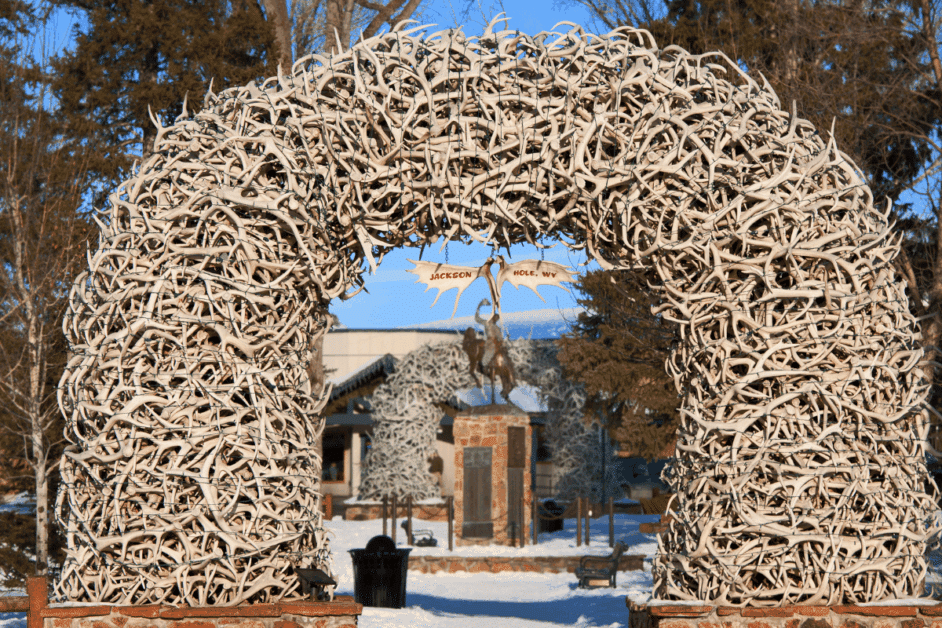
Plan to head downtown by 3:30–4:00 pm to stroll around Jackson Town Square. This iconic square is known for its elk antler arches, Western storefronts, and lively atmosphere, especially in summer and winter months. It’s a great time to browse local shops, grab a coffee, or simply stretch your legs after traveling.
Early Evening: Jackson Hole Gunfight
At 6:00 pm, catch the famous Jackson Hole Shootout, held on the Town Square most evenings from late May through early September. The show is free, lasts about 15 minutes, and reenacts a classic Wild West shootout with humor and crowd interaction. Arrive 20-30 minutes early to snag a good standing spot near the center of the square.
Dinner in Downtown Jackson
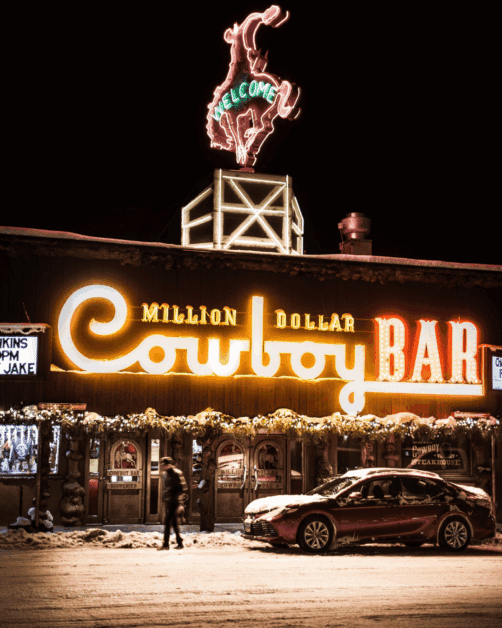
After the shootout, walk to dinner; reservations are recommended during peak summer months.
Great dinner options nearby:
- The Blue Lion – Cozy and classic, known for rack of lamb, trout, and a romantic cabin-style setting.
- Local Restaurant & Bar – A local favorite with elevated comfort food, burgers, and a solid cocktail list.
- Million Dollar Cowboy Steakhouse – Perfect for a true Western experience with steaks, bison, and historic saloon vibes.
Plan to finish dinner around 8:00–8:30 pm, then either enjoy a short evening stroll or head back to your lodging for an early night…tomorrow’s Grand Teton adventures start early.
Day 2: Grand Teton National Park
Today is all about experiencing the postcard-perfect scenery of Grand Teton National Park, with a mix of iconic hikes, lake time, and flexible afternoon exploring.
Morning: Jenny Lake Boat Shuttle & Inspiration Point
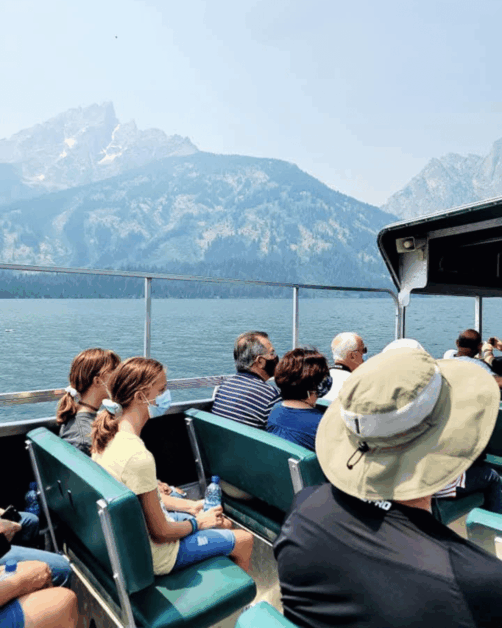
Plan to arrive at Jenny Lake by 7:00 am. Early mornings are key here (you’ll see this is a common occurrence of this road trip), not only for fewer crowds, but also for calmer lake conditions and better wildlife viewing.
Park at the Jenny Lake Visitor Center and take the Jenny Lake Boat Shuttle, which typically begins running around 7:00 am in peak season. The short boat ride saves time and cuts several miles off the hike (4+ miles round trip), allowing you to focus on the most scenic section of the trail.
The boat runs on a first-come, first-served basis and does not take reservations.
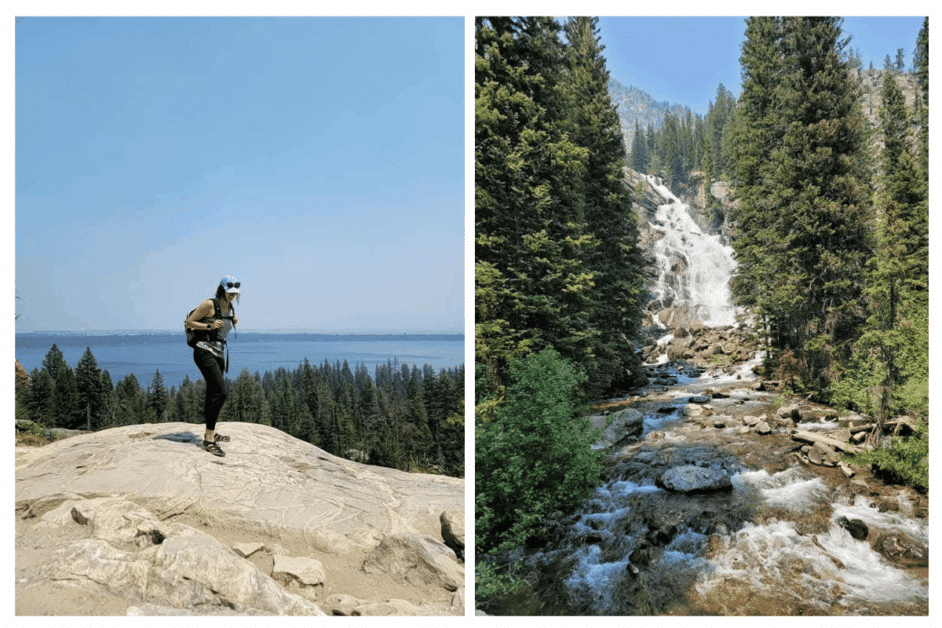
After the short ride, hike up to Inspiration Point, a moderately challenging climb with switchbacks and rewarding views over Jenny Lake. The hike is well-maintained and popular, and it will bring you to Hidden Falls as well.
Even with how popular and busy this trail is, we still saw 3 bears, so be sure to still bring bear spray!
Expect to spend 2.5–3 hours total, including the boat ride, hiking time, photos, and short breaks. Plan to be back at the trailhead by late morning.
Midday: Picnic & Swimming at String Lake
Around 12:00 pm, head to String Lake for a relaxed midday break. String Lake is one of the best picnic spots in the park, with calm, shallow water and stunning views of the Teton Range rising directly behind the shoreline.
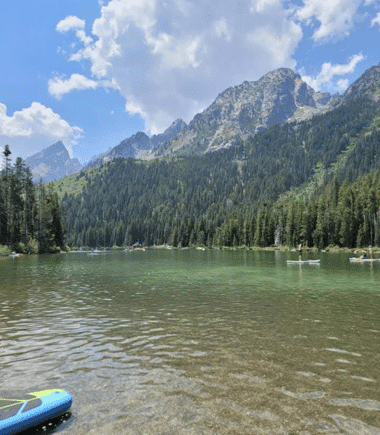
Enjoy a picnic lunch, then cool off with a swim or wade along the shoreline. The water is cold, even in summer, but refreshing, perfect for hot days and tired hiking legs. Plenty of shaded areas make this an easy place to linger without feeling rushed.
Plan to spend 1–1.5 hours here depending on weather and energy levels.
Afternoon: String Lake Shoreline Hike
In the afternoon, take advantage of being already positioned at String Lake by tackling the String Lake Loop Trail or a partial out-and-back along the shoreline. This mostly flat trail winds through pine forest and along the water, offering continuous mountain views without significant elevation gain.
This hike is ideal after a busy morning, as it’s casual, scenic, and flexible. You can adjust the distance based on time and energy, making it accessible for a wide range of hikers.
Wrap up the hike by mid-to-late afternoon, leaving time to rest, clean up, or enjoy a casual evening back in Jackson before the next day’s travel.
Day 3: Sunrise, Slow Morning, & Snake River Adventure
Today balances one of the most iconic sunrises in the Tetons with built-in rest and a classic Jackson Hole excursion.
Early Morning: Sunrise at Mormon Row
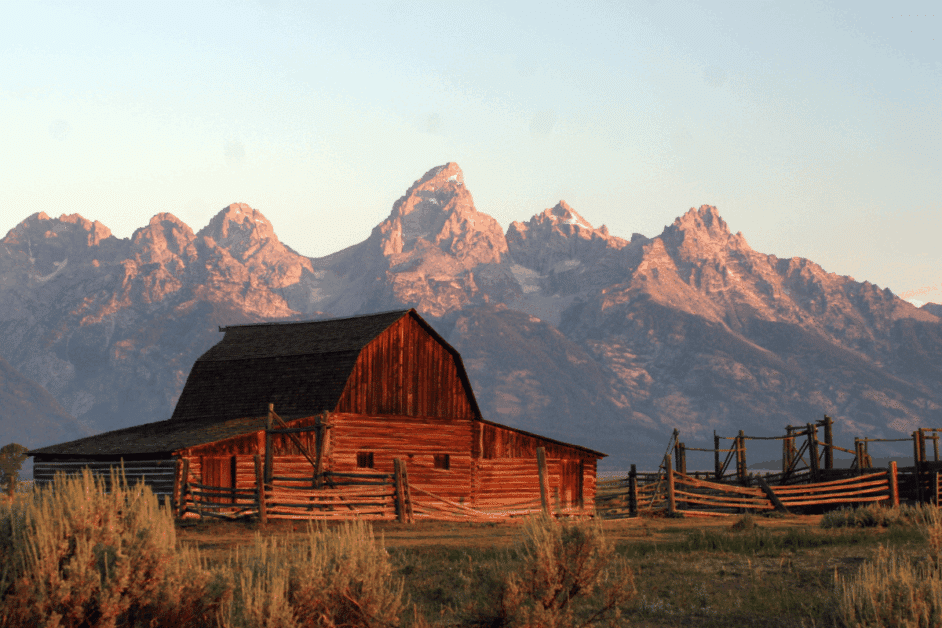
Set alarms early and depart by 4:30 am (will vary slightly depending on the month you are visiting) to reach Mormon Row before first light. This historic area is famous for its preserved homesteads set against the dramatic Teton Range, making it one of the most photographed locations in the park.
Sunrise times vary by season, but plan to spend 60–90 minutes here enjoying the quiet, uncrowded atmosphere.
Morning: Breakfast at Schwabacher Landing
After sunrise, head to Schwabacher Landing for a relaxed breakfast, wildlife viewing, and more photography around 7:00 am. This calm stretch of the Snake River is known for mirror-like reflections of the Tetons, especially in the early morning when winds are minimal.
Enjoy a packed breakfast or coffee while taking in the views from the riverbank. This is a peaceful, low-effort stop that pairs perfectly with an early start and keeps the morning feeling unrushed.
Late Morning: Rest & Recharge
After two early mornings in a row, late morning is intentionally unscheduled (you’ll thank me when this time comes). Head back to your lodging for a nap, shower, or quiet downtime.
Aim to be rested and ready to go again by early afternoon.
Afternoon & Evening: Snake River Sunset Rafting with Dinner
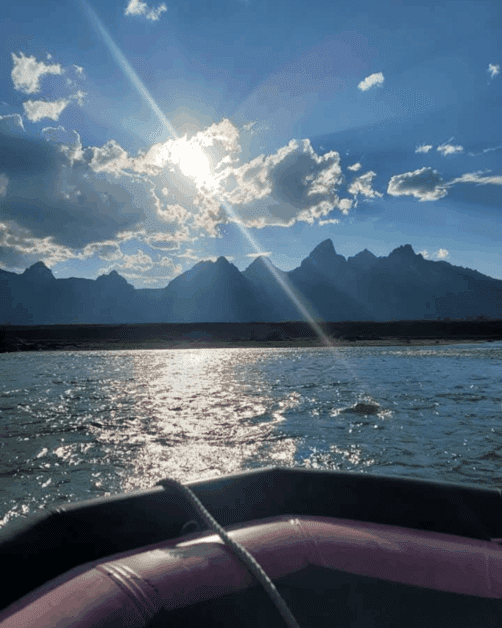
Around 1:00 pm, depart for a Snake River rafting excursion that includes an evening float and dinner. These guided trips typically begin with a scenic stretch of calm water, allowing you to relax, spot wildlife along the riverbanks, and take in views of the Tetons from a completely different perspective.
As the afternoon transitions into evening, the float continues under changing light conditions, often finishing near sunset. Dinner is served riverside or as part of the experience, featuring hearty, Western-style fare and a relaxed, social atmosphere.
Expect this excursion to last 4–6 hours, making it a memorable capstone to your time in the Tetons before shifting gears toward Yellowstone.
If rafting isn’t your thing, here are some other fun ideas to do in The Tetons!
Day 4: Drive to Yellowstone
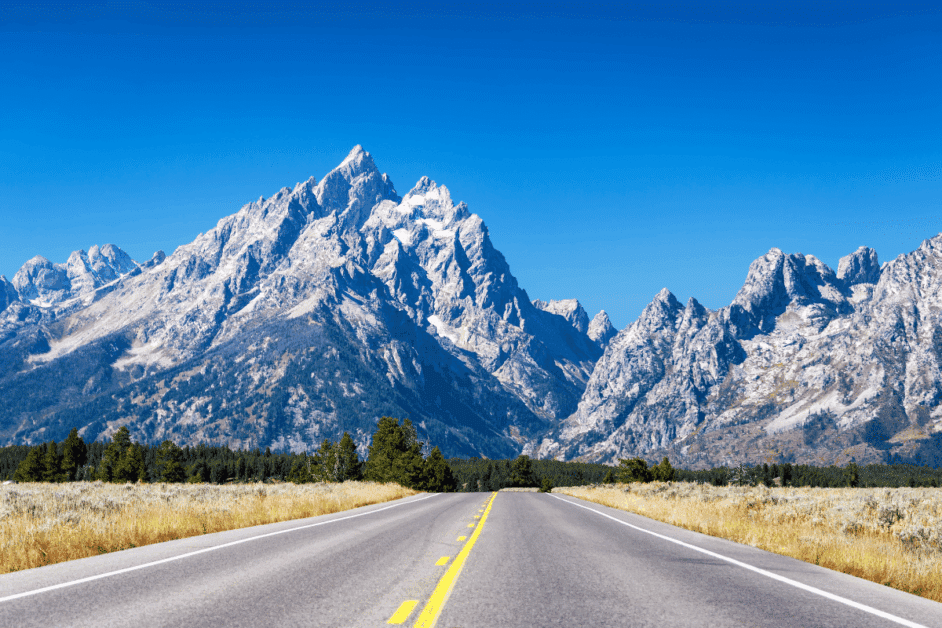
Late Morning: Depart Jackson Hole
After several early mornings, today is again intentionally slower. Enjoy a sleep-in and relaxed morning before starting your drive to Yellowstone.
Plan to leave Jackson Hole by 9:30–10:00 am, allowing time for a leisurely breakfast and packing up. The drive north toward Yellowstone is scenic right from the start and doesn’t require rushing.
Midday Stop: Jackson Lake Overlook (Lunch)
As you head north, stop at Jackson Lake Overlook for lunch. This pullout offers expansive views of Jackson Lake with the Tetons rising dramatically behind it, an ideal final Tetons stop before crossing into Yellowstone.
Enjoy a packed lunch or grab something simple to-go beforehand. Picnic tables are limited, but the views more than make up for it. Plan for 30–45 minutes here to eat, stretch your legs, and soak in the scenery.
Optional Scenic Stops Along the Drive
If time and energy allow, consider adding one or two of these quick stops as you continue north:
- Oxbow Bend – A short pullout known for Snake River reflections and frequent wildlife sightings.
- Signal Mountain Summit Road – A short detour offering panoramic views over Jackson Lake and the valley below.
- Lewis Falls – An easy roadside waterfall just inside Yellowstone, perfect for a quick stretch break.
If you prefer to just drive through, you could go through Driggs and save about 1 hour of drive time!
Afternoon/Evening: West Yellowstone Hotel/Campsite
Expect the drive from Jackson to the West Yellowstone area to take 4-6 hours, including stops. Then, spend the night relaxing at your new West Yellowstone stay.
Day 5: West Yellowstone
Today is THE classic Yellowstone sightseeing day, covering geothermal features, wildlife-rich valleys, and one of the park’s most dramatic waterfalls. An early start keeps crowds manageable and maximizes your time at each stop.
Tip! You will likely not have service the whole day (I didn’t with ATT&T a when I visited), so be sure to download your maps beforehand.
Morning: Begin the West Yellowstone Loop
Plan to be on the road by 6:00 am, heading west through Yellowstone National Park. Morning hours offer cooler temperatures, better wildlife viewing, and fewer tour buses at the most popular stops.
- Stop 1: Grand Prismatic Spring
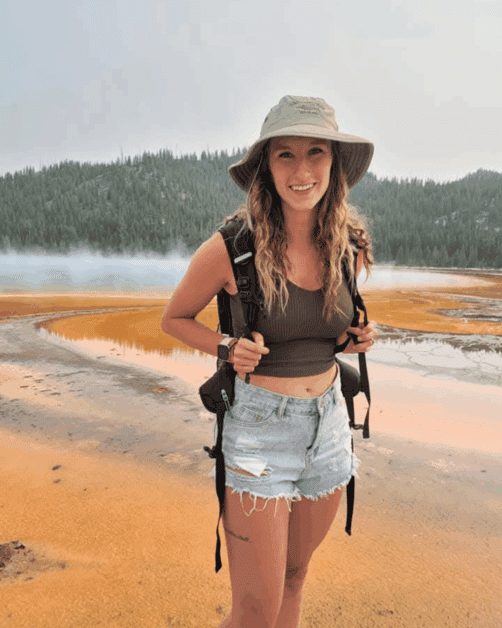
~27 miles (from entrance)
Start at Grand Prismatic Spring, Yellowstone’s largest and most colorful hot spring. Walk the boardwalks at ground level to feel the heat and see the intense blues, oranges, and yellows up close.
If feeling up to it, you can hike to the overlook point for a higher vantage point. Plan for 45–60 minutes total as the hike is around 1.6 miles round trip.
- Stop 2: Old Faithful
~7 miles
Continue to Old Faithful, the park’s most famous geyser. Check eruption predictions upon arrival; eruptions occur roughly every 90 minutes.
While waiting, explore the surrounding geyser basin boardwalks, which are filled with bubbling pools and steaming vents. Budget 60–90 minutes here, depending on eruption timing.
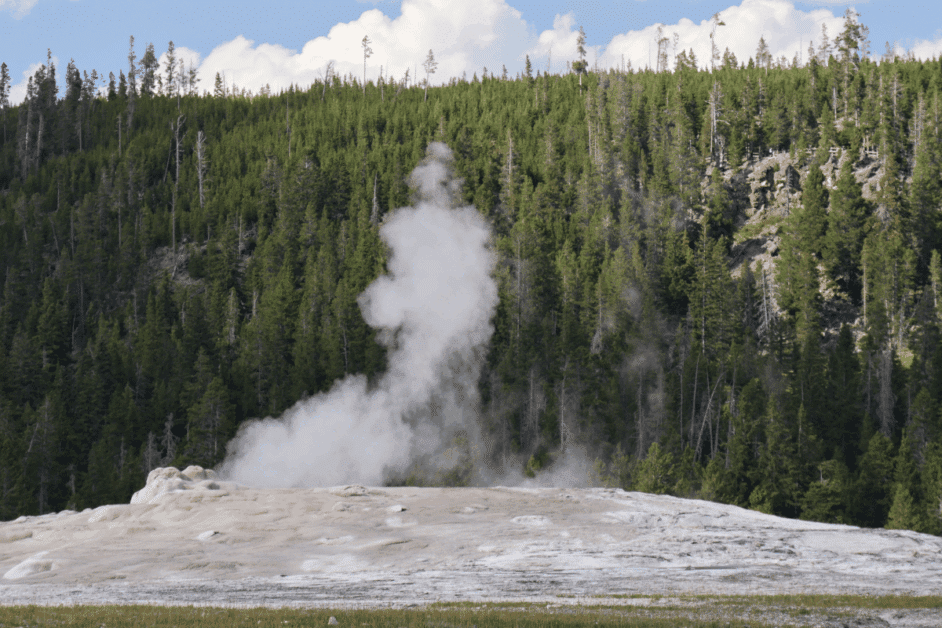
This would also be a good time to grab a bite to eat from the lodge as the options are limited the rest of the day.
- Stop 3: West Thumb Geyser Basin
~20 miles
Next, head toward West Thumb Geyser Basin, uniquely located along the shores of Yellowstone Lake. This compact loop offers an interesting contrast, steaming geothermal features set directly beside deep blue water.
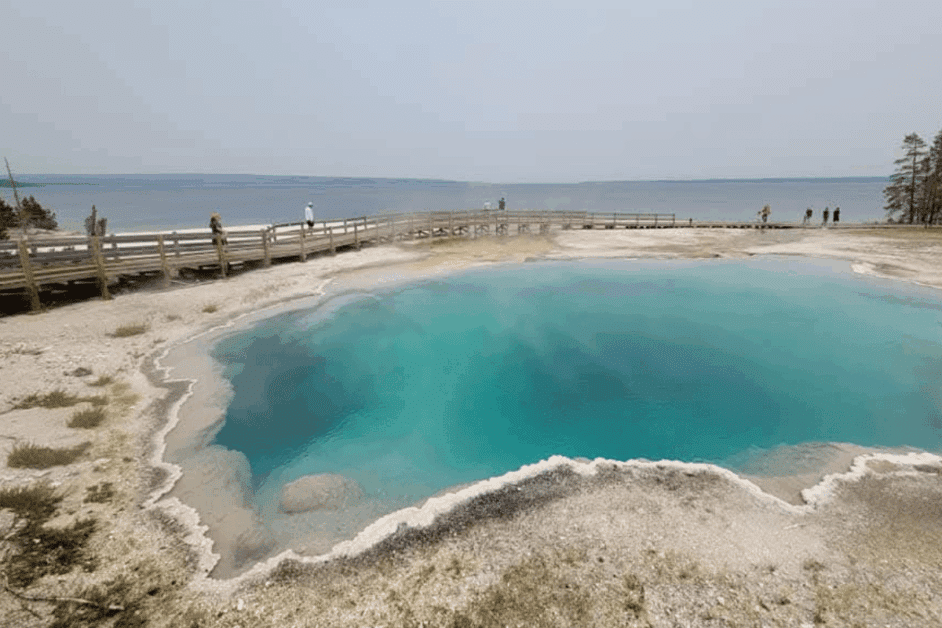
This is a great stop to slow the pace (it was slightly less busy than the first two when I visited). Expect to spend 30–45 minutes walking the loop and enjoying the lake views.
- Stop 4: Hayden Valley
~20 miles
Drive east toward Hayden Valley, one of the best areas in the park for wildlife viewing. Bison herds are common, and sightings of elk, coyotes, and even wolves are possible.
Plan to drive slowly, use pullouts, and allow 45–60 minutes here. Patience pays off, this stretch is as much about observation as it is scenery. And you will VERY likely get stuck in an animal traffic jam.
Note: It is best to do this during sunrise or sunset; however, the way this loop works, it falls midday. There’s time for sunrise wildlife viewing tomorrow!
- Stop 5: Brink of the Lower Falls
~6 miles
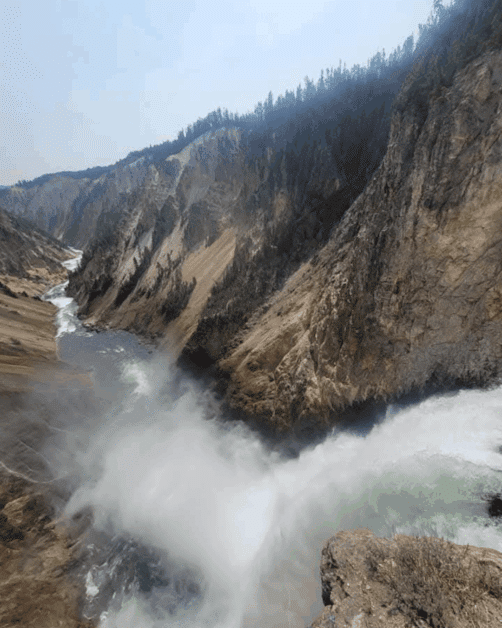
End the day at the Brink of the Lower Falls, where you’ll stand just feet from the edge of Yellowstone’s most powerful waterfall. The short but steep walk down to the viewpoint is absolutely worth it, offering a dramatic perspective into the Grand Canyon of the Yellowstone.
Plan for 1 hour, including the walk and time to take in the view before heading north toward your evening destination.
Evening: Drive to North Yellowstone Hotel
After a busy sightseeing day, grab a quick bite to eat (probably fast food) and head to a new North Yellowstone hotel (somewhere near Gardiner or Lamar Valley would be ideal). You guessed it, it’s another early morning tomorrow.
Day 6: North Yellowstone
Today begins BRIGHT and early with Yellowstone’s best wildlife viewing and ends among dramatic travertine terraces. This route naturally leads you north, setting up an easy transition toward Glacier.
Early Morning: Sunrise Wildlife Loop in Lamar Valley
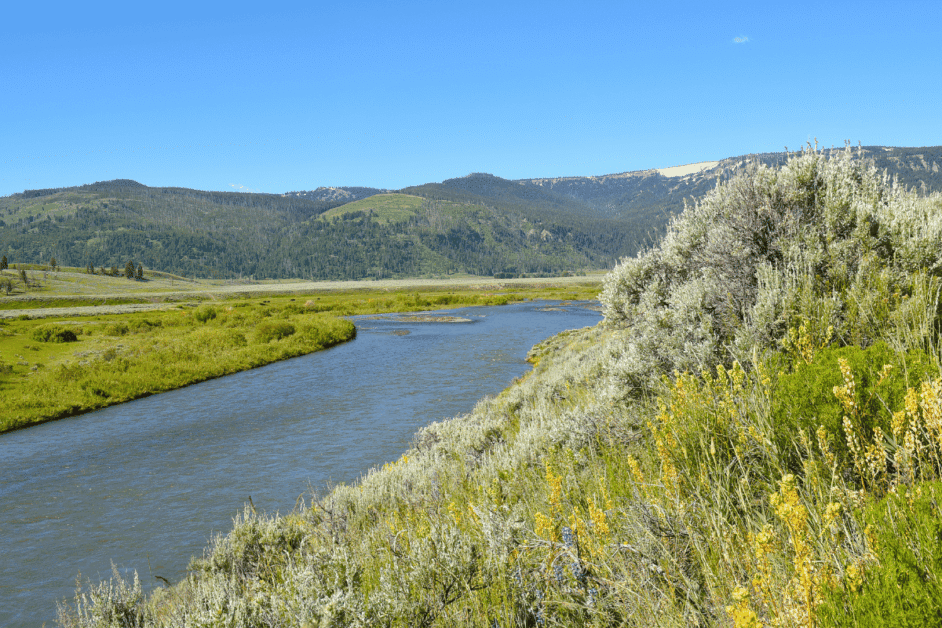
Plan to be on the road before sunrise (typically 4:00–5:00 am, depending on the season) and head toward Lamar Valley. Often called the “Serengeti of North America,” Lamar Valley is the premier place in Yellowstone to spot wildlife, especially in the early morning hours.
Bison herds, pronghorn, and elk are common, and this is one of the best areas in the park to potentially see wolves or bears. Drive slowly, use designated pullouts, and allow 1.5–2+ hours to explore the valley as the light changes and animals become active.
Mid-Morning: Tower Fall
After leaving Lamar Valley, continue toward Tower Fall, a striking 132-foot waterfall framed by volcanic rock spires. The short walk to the overlook makes this an easy stop, and it provides a nice contrast to the open landscapes of Lamar Valley.
Plan to spend 60-90 minutes here—just enough time to enjoy the view and walk the short trail.
Late Morning to Early Afternoon: Mammoth Hot Springs
Finish the day at Mammoth Hot Springs, where steaming travertine terraces cascade down the hillside in constantly changing formations. Unlike the colorful pools of the park’s western areas, Mammoth’s features are stark white, tan, and orange, creating a completely different look and feel.
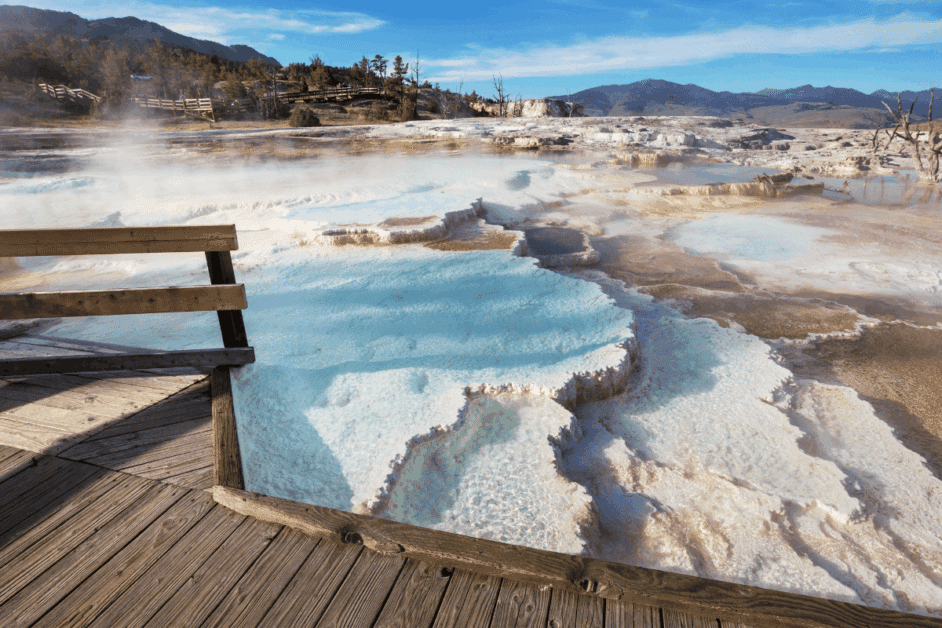
Walk the boardwalks and lower terraces at your own pace, allowing 60–90 minutes to explore. If time allows, consider a short stroll through the historic Mammoth Hot Springs area, including views of Fort Yellowstone.
After exploring Mammoth, head back to the same hotel as last night as tomorrow you’ll have a long drive north.
Day 7: Drive to Glacier
Today is a transition day, carrying you from Yellowstone’s geothermal landscapes into the rugged alpine scenery of Glacier National Park. While it’s a longer drive, the route is scenic and breaks up nicely with a well-placed stop.
Morning: Depart Yellowstone
Plan to leave the Mammoth Hot Springs area by 7:30–8:00 am. This gives you a full day to cover ground without feeling rushed and leaves buffer time for stops, wildlife delays, or a relaxed lunch.
The total drive time to the St. Mary area is approximately 6.5 hours without stops.
Optional Midday Stop: Lewis & Clark Caverns State Park
Roughly halfway through the drive, consider stopping at Lewis and Clark Caverns State Park. This stop adds about 30 minutes of driving time, but it’s one of the most unique and worthwhile breaks along the route.
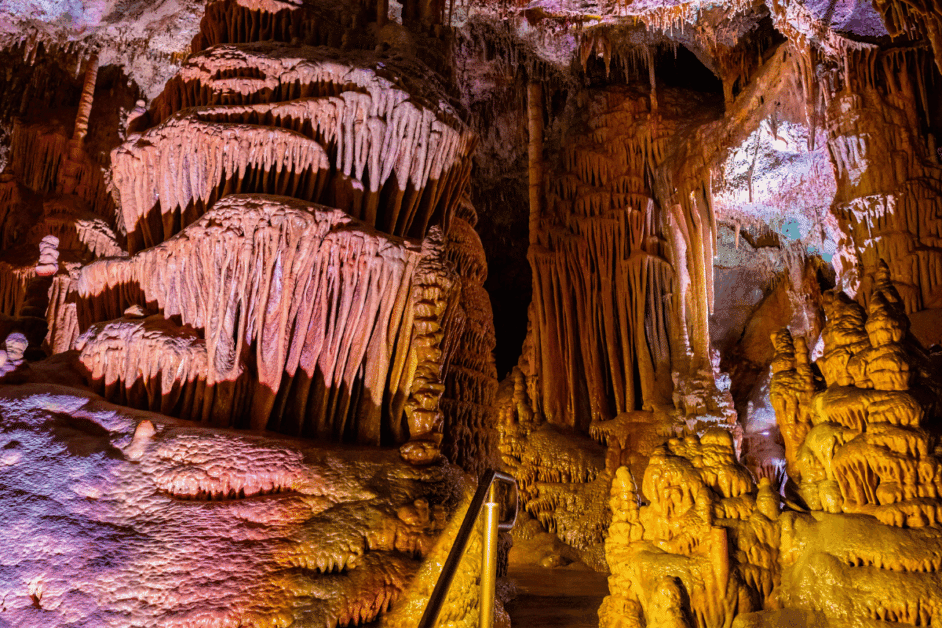
Stretch your legs with a picnic lunch at the scenic picnic areas, then join a guided cave tour, which typically lasts about 90 minutes. The limestone caverns feature impressive stalactites, stalagmites, and spacious chambers—an unexpected contrast to the open landscapes you’ve seen so far.
(Tip: Cave tours require advance reservations, especially in summer. If tickets aren’t available, the picnic stop alone still makes this a pleasant break to the long drive.)
Afternoon: Continue to Glacier National Park
After your stop, continue north toward Glacier. As you approach the park, the scenery shifts dramatically; sharper peaks, alpine lakes, and wide-open valleys signal your arrival in one of Montana’s most iconic regions.
Plan to reach the St. Mary area by early evening, allowing time to check in, unpack, and enjoy a low-key dinner nearby.
Evening: Dinner Near St. Mary
Keep dinner simple after a long drive. Good options near the park include:
- Rising Sun Motor Inn Restaurant – Convenient, casual dining inside the park.
- Park Cafe – A classic stop known for hearty comfort food and homemade pies.
Aim for an early night—tomorrow brings Glacier’s jaw-dropping scenery and the start of your Glacier adventure.
Day 8: Glacier Hike
Today is all about soaking up the heart of Glacier National Park at your own pace. You’ll start with a headline hike (or an easier alternative), enjoy time on the water, and end the day slow and social.
Morning: Choose Your Hike
- Option 1: Grinnell Glacier Hike (Challenging)
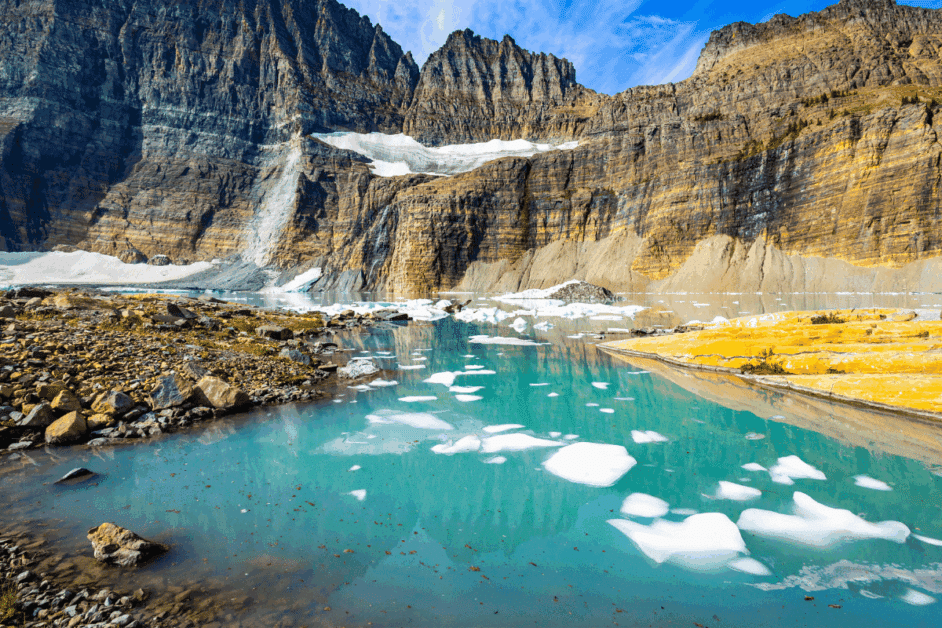
For strong hikers, start early—by 6:30–7:00 am—for the Grinnell Glacier Trail, one of the most iconic hikes in the park. This strenuous out-and-back trail rewards you with turquoise lakes, sweeping alpine views, and a close-up look at Grinnell Glacier itself.
Expect a full morning commitment (6–7 hours) including breaks and photos. This hike is demanding but unforgettable, and best tackled with plenty of water, snacks, and layers.
Note! You can shave off 3.5ish miles from this hike by taking a boat across Lake Josephine (departs from the Many Glacier Hotel).
- Option 2: St. Mary & Virginia Falls (Easier Alternative)
If you’re opting for something shorter and more relaxed, head to St. Mary Falls. This well-maintained trail follows a rushing river to vibrant blue waterfalls and can be extended to Virginia Falls if energy allows.
Plan for 2–3 hours round trip, making this a great option if you want a scenic hike without committing your entire day.
Midday: St. Mary Lake Boat Tour or Canoeing
After your hike, slow things down with time on St. Mary Lake. A boat tour offers a relaxing way to enjoy the dramatic peaks rising straight from the water, while canoeing or kayaking on Swiftcurrent Lake gives you the freedom to explore at your own pace.
This is an ideal activity if you choose the shorter hike or a well-earned recovery option after a tough morning on the trail. Plan for 2-4 hours, depending on availability and weather.
Late Afternoon: St. Mary Village & Souvenir Shopping
Spend the late afternoon exploring St. Mary Village. Browse small gift shops for Glacier-themed souvenirs, postcards, and local goods, or simply relax with a drink and mountain views.
This is also a good window to grab snacks or supplies for the next day.
Dinner in St. Mary
For dinner, keep things casual and close to where you’re staying. You’ll find a few options as you’re walking around.
Day 9: Going-to-the-Sun-Road
Today is one of the most scenic drives in the entire U.S., tracing alpine ridgelines, waterfalls, and glacier-carved valleys as you cross Glacier National Park from the St. Mary side to West Glacier. Plan for a full day with frequent stops.
You’ll want to get a VERY early start if you are hoping to fit in all the stops below.
Early Morning: Wild Goose Island
Start early and stop first at Wild Goose Island Overlook, one of Glacier’s most iconic viewpoints. This small island sits dramatically in St. Mary Lake with towering peaks rising behind it. Morning light often brings calm water and soft reflections, making this a quick but essential stop.
Plan for 10–15 minutes here.
Morning Stops Along the East Side
Continue west along Going-to-the-Sun Road, stopping at a series of short walks and overlooks:
- St. Mary Falls – If you chose the longer Grinnell hike yesterday, today is a great time for this shorter waterfall hike instead.
- Sunrift Gorge – A brief stop with dramatic rock walls and rushing water just steps from the road.
- Jackson Glacier Overlook – One of the few places where a named glacier is visible directly from the road.
- Lunch Creek – A small but picturesque waterfall right along the roadside.
Each of these stops requires minimal walking and can be enjoyed in 5–20 minutes, making them easy to stack without feeling rushed.
Midday: Logan Pass & Hidden Lake Trail
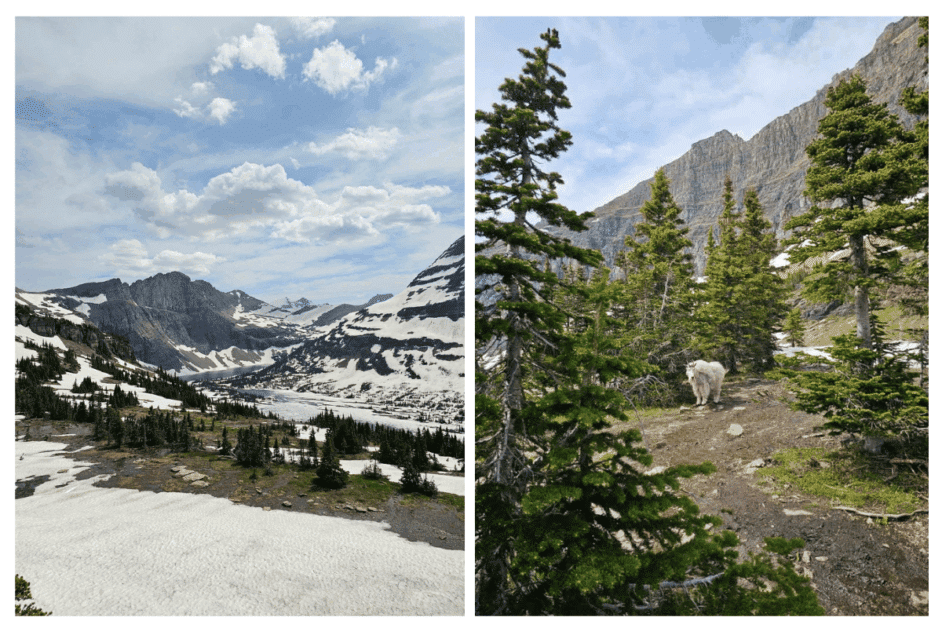
Arrive at Logan Pass by late morning if possible. Parking fills quickly, especially in summer.
Enjoy a picnic lunch at Logan Pass, then set out on the Hidden Lake Trail. This popular trail climbs gently along boardwalks and alpine meadows, often dotted with mountain goats and marmots.
You can turn around at the overlook or continue farther depending on time and energy. Plan for 1.5–3 hours total.
Afternoon: West Side Overlooks & Short Hikes
After Logan Pass, continue descending the west side of the park, stopping at:
- Bird Woman Falls Overlook – A distant but dramatic waterfall plunging down the mountainside.
- The Loop Overlook – A classic viewpoint showing one of the tightest switchbacks on the road.
If time allows and legs still feel good, consider the Avalanche Lake Trail (often referred to as Avalanche Falls). This shaded, forested hike leads to a stunning alpine lake framed by waterfalls and steep cliffs. Allow 2–3 hours if you add this stop.
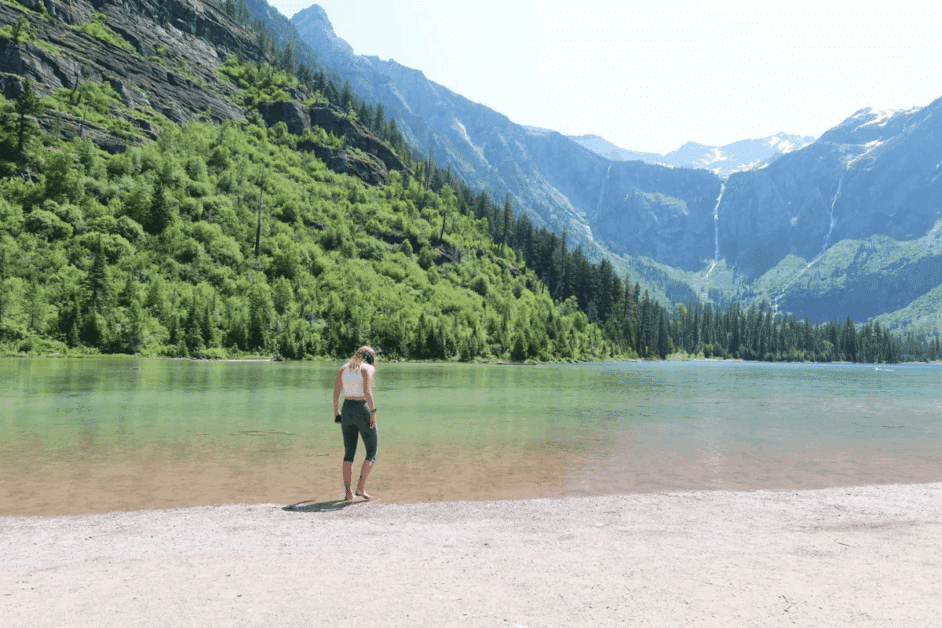
Evening: Sunset at Lake McDonald
End the day at Lake McDonald, ideally timing your arrival for sunset. The calm water, colorful stones, and fading light reflecting off the surrounding peaks create a peaceful, storybook ending to a big day.
After sunset, continue on to West Glacier for the night.
Tip: This day looks packed on paper, but most stops are short and flexible. Pick a few must-dos, stay adaptable, and let the scenery set the pace.
Day 10: Departure from…
After several full adventure days, today is designed to be flexible and low-stress. Your exact route depends on where you’re flying out, but there’s still time to enjoy one last Montana highlight before heading home.
Departure Options & Drive Times
- Glacier Park International Airport (Kalispell)
~42 miles | ~1 hour
The closest and most convenient airport, ideal for easy departures and minimal driving. - Missoula International Airport
~140 miles | ~2.5–3 hours
A good option if flight availability or pricing is better, especially when paired with a Flathead Lake stop.
Morning: Depart West Glacier
Enjoy a relaxed morning in West Glacier. If you didn’t catch sunrise at Lake McDonald the night before, this is a peaceful time for a short lakeside stroll or coffee before hitting the road.
Plan to depart by 8:00–9:00 am, depending on flight times.
Optional Stop: Flathead Lake
If your departure route allows, consider stopping at Flathead Lake, the largest freshwater lake west of the Mississippi. Clear water, wide-open views, and laid-back lake towns make this a great final stop to decompress after the trip.
Good options include a short shoreline walk, coffee in one of the small towns, or a quick picnic if time allows. Even 30–60 minutes here adds a nice, unhurried ending to the itinerary.
Final Tip
If you’re choosing between airports, prioritize Kalispell or Missoula whenever possible. Both keep the final day manageable and allow you to enjoy one last Montana highlight without turning departure day into another marathon drive.
Grand Teton to Yellowstone to Glacier National Park Summer Road Trip recap
Whew! I hope you found this MASSIVE guide extremely helpful in planning your summer road trip adventure (it was a BEAST to put together). As always, I’m happy to answer ANY questions over on Instagram, or we can work together to plan your dream vacay!
If you end up taking this road trip, I’d LOVE to see pictures and hear all about your experience!


Comments Off on Grand Teton to Yellowstone to Glacier: 10 Day Summer Road Trip Itinerary