

Things to Know Before Visiting Ireland (A First-timer’s Guide)
Before visiting Ireland, I thought I had a pretty good idea of what to expect (I did do HOURS of research…) I was prepared for rolling green hills, lively pubs, dramatic coastlines, and maybe a little rain. What I didn’t expect were the impossibly narrow roads, how quickly the weather could change, the friendliness of the locals, or just how much there is to see beyond Dublin and the Cliffs of Moher.
After spending 10 days road-tripping through both Ireland and Northern Ireland, I learned plenty of lessons that would have made planning my first trip a whole lot easier (and maybe even slightly smarter). Whether you’re visiting for a long road trip or a quick getaway, here are the things you should know BEFORE traveling to Ireland.
This site contains affiliate links to products. I may receive a commission for purchases made through these links at no extra cost to you.
Table of Contents
Things to Know BEFORE Your First Trip to Ireland
Some of these seem obvious, while others you’ll be thankful you read. However, even the obvious ones are important to truly take to heart (seriously, pack layers).
1. The Roads Are Narrow
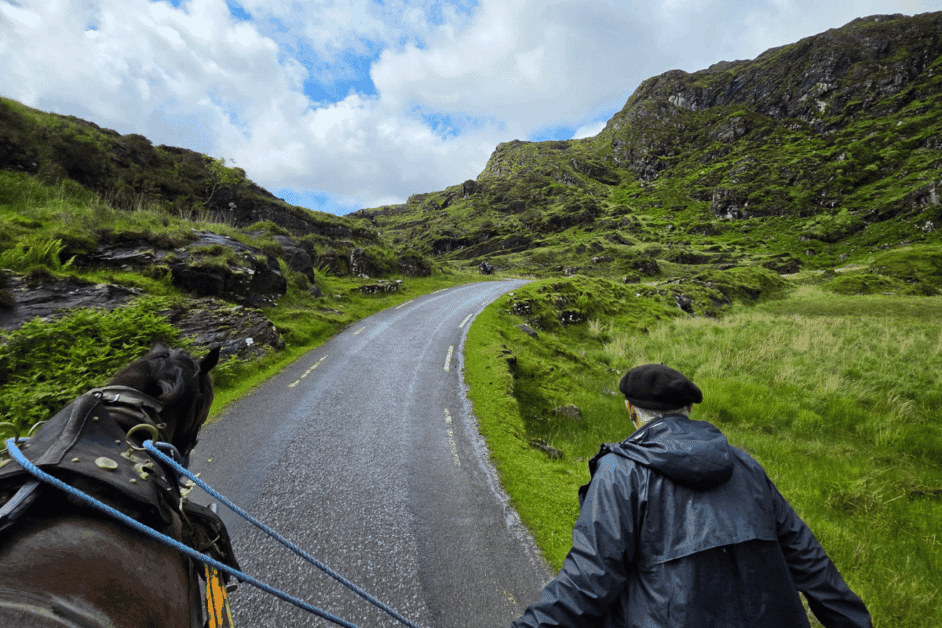
When people warn you about driving in Ireland, they’re not exaggerating. Many rural roads are incredibly narrow, often with stone walls, hedges, or sheep lining the edges.
There were several times during our road trip when I wondered if two vehicles could physically fit on the same road. They technically can, but sometimes only barely. If you’re renting a car, opt for the smallest vehicle you’re comfortable driving.
The speed limits are also extremely fast for what the roads look like. Just be smart, pull over when you can, and try to stay on the main roads as much as possible (for the long drives).
2. They drive on the Right Side of the Car and the left side of the Road
For many visitors, driving on the left side of the road is one of the most intimidating parts of an Ireland trip. I know I wouldn’t have been able to do it without my husband (I was the passenger the whole time). Take your time, especially during the first day, and let your passenger help remind you when making turns.
3. Northern Ireland Is a Different Country (Don’t Skip It)
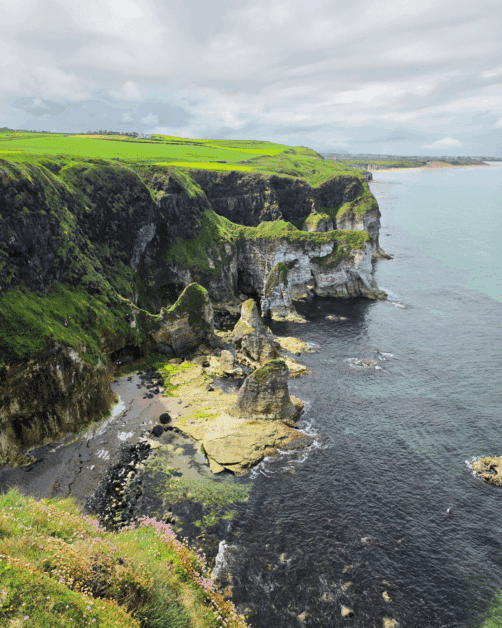
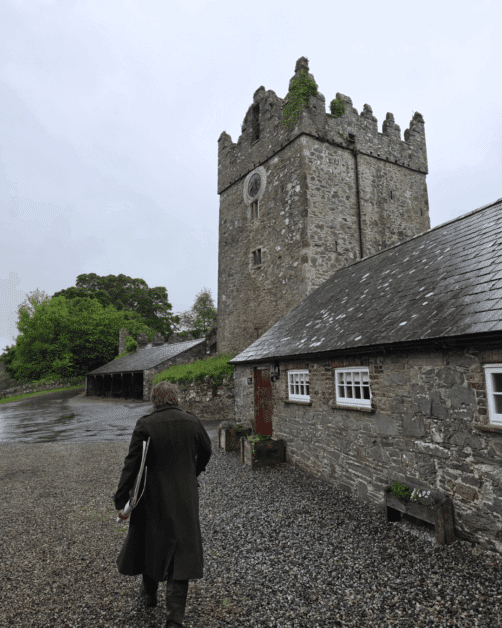
One thing that surprised me before my first trip was learning that Northern Ireland and the Republic of Ireland are actually two separate countries. Northern Ireland is part of the United Kingdom, which means it uses British Pounds and road signs display miles instead of kilometers.
You also need to get a UK ETA attached to your passport for Northern Ireland. It’s super easy to do online and pretty affordable.
Beyond the logistics, Northern Ireland is absolutely worth including in your itinerary. Between the Causeway Coast, Belfast, and countless Game of Thrones filming locations, it ended up being one of my favorite parts of the trip.
4. The People Are SO Friendly
I’ve traveled to quite a few places, but Ireland easily ranks among the friendliest countries I’ve visited. Whether we were asking for recommendations, chatting with others in the pubs, or meeting locals during tours, people were genuinely warm and welcoming. Don’t be surprised if a quick question turns into a 15-minute conversation.
5. Your Normal Travel Credit Card Car Insurance May Not Be Enough
This one was probably the biggest bummer (and surprise). If you’re renting a car, read the fine print on your credit card benefits before you arrive. Many U.S. travel credit cards either exclude Ireland entirely or have specific limitations when it comes to rental car coverage. Double-check your policy ahead of time so you don’t get surprised at the rental counter.
I normally rely on my Venture X for rental insurance while traveling, but the rental car counter informed me that Ireland is typically an exception on the credit cards. And sure enough, it was, and it cost us a lot of extra money upon pickup.
You could also check with your travel insurance if you can add on rental (let me know if you need help with this part!)
6. Don’t Spend All Your Time in the Cities
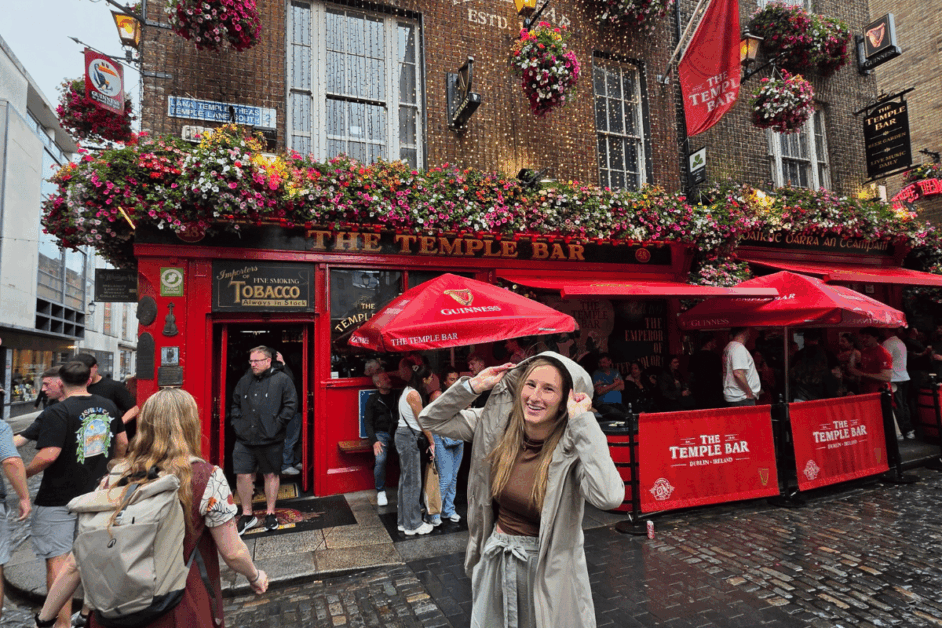
Dublin and Belfast are both worth visiting, but Ireland’s magic really happens once you leave the cities behind. We just spent one day in each.
Some of my favorite memories came from winding country roads, tiny villages, coastal viewpoints, and national parks. If you only have a limited amount of time, don’t make the mistake of spending it all in Dublin.
7. There’s More to Ireland Than the Cliffs of Moher
The Cliffs of Moher are beautiful, but they’re far from the only spectacular landscape in Ireland. During our trip, we actually skipped the Cliffs completely and did not feel as though we missed out. We found equally amazing sights in Connemara National Park, the Dingle Peninsula, the Causeway Coast, Fair Head, and the Gap of Dunloe.
Don’t build your entire itinerary around one attraction.
8. Pack Layers. ALL the Layers.
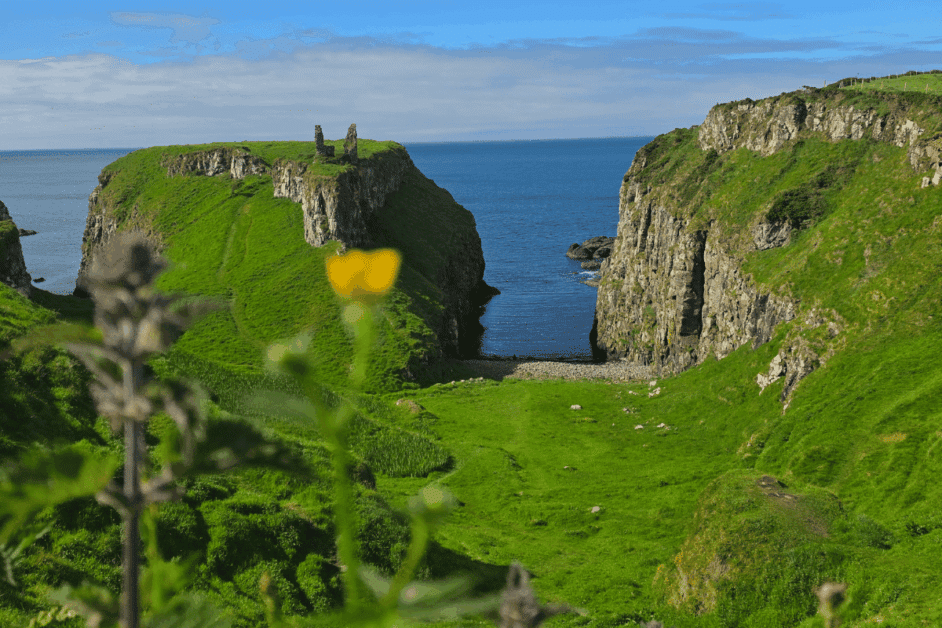
During our trip, we experienced sunshine, wind, clouds, and rain…sometimes within the same hour. Layers are your best friend in Ireland. Bring a light rain jacket, fleece, and clothing you can easily add or remove throughout the day. And of course allllll the waterproof layers.
9. Your Umbrella Is Useless (almost all the time).
Okay, maybe not completely useless, but close. Between the wind and constantly changing weather, umbrellas don’t work nearly as well as they do elsewhere. A quality waterproof jacket will serve you much better than trying to wrestle with an umbrella all day.
We each brought one and used it once while walking around Dingle (otherwise, every time it rained it was too windy.
10. Try All the Food
Irish food deserves a better reputation than it often gets. Beyond the classic fish and chips, we enjoyed incredible seafood, hearty stews, fresh-baked breads, oysters, pastries, and some surprisingly great coffee. Don’t be afraid to try local specialties while you’re there.
11. Sheep Have the Right of Way

This sounds like a joke, but it’s not. Especially in places like Connemara, the Dingle Peninsula, and rural Kerry, sheep regularly wander onto roads. If a sheep decides to stand in the middle of your lane, your travel plans are now on sheep time.
12. Roundabouts Are Everywhere
If you’re not used to roundabouts, Ireland will give you plenty of practice. They appear in cities, towns, and even some rural areas. After a few days, you’ll likely find them more efficient than traditional intersections, but be prepared for a learning curve. We found ourselves saying that the states could take some notes several times.
13. Fill Up Your Gas Tank When You Can
Gas stations become much less frequent once you leave major cities. This is especially true in more remote regions like Connemara and parts of the Wild Atlantic Way. Make a habit of filling up whenever you’re around half a tank rather than waiting until the warning light comes on.
Thankfully, our rental car had exceptional miles per gallon, and we only filled up 3 times during our 10-day road trip (and we drove around A LOT).
14. Most Attractions Open Later Than You Might Expect
Many museums, castles, cafés, and attractions don’t open until 9:00 or 10:00 AM. If you’re an early riser (we are not), use the mornings for scenic drives, hikes, or photography before attractions begin opening for the day.
15. Summer Days Are Incredibly Long
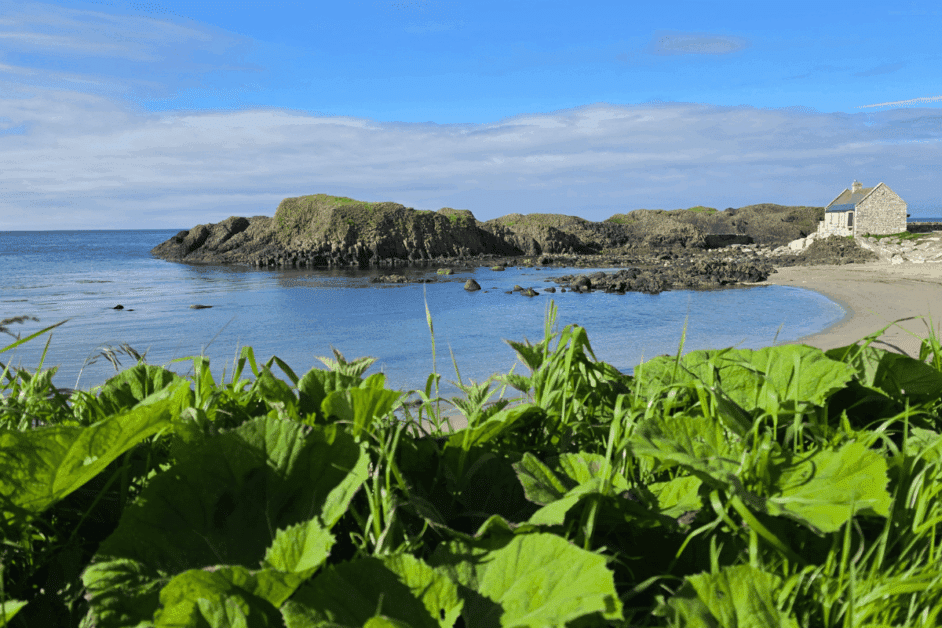
One of my favorite surprises was how much daylight we had. During our early June trip, the sun didn’t set completely until after 10 PM. Those extra daylight hours make it much easier to fit hikes, road trips, and sightseeing into your itinerary.
16. It Will Probably Rain at Some Point—And That’s Okay
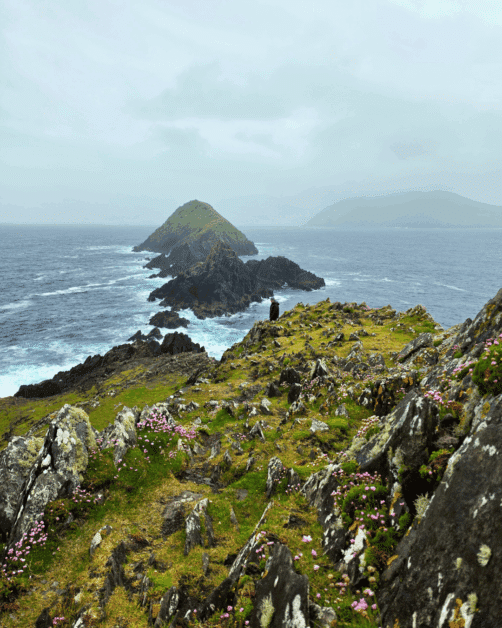
If you’re waiting for a perfect weather forecast before visiting Ireland, you’ll probably never go. Rain is simply part of the experience. The good news is that it often passes quickly, and those dramatic clouds are part of what makes Ireland’s landscapes so beautiful.
Go in with expectations of rain and leave with the best memories. Never let a rainy day wreck your trip.
17. Irish Pubs Are About More Than Drinking

Even if you don’t drink alcohol, you should still spend time in Irish pubs. They’re community gathering places where people come together for conversation, live music, food, and storytelling. One of our favorite evenings was when we went out in Killarney and spent the night listening to music, dancing, and chatting with locals.
Things to Know Before Visiting Ireland Recap
There ya have it, 17 things to know before your first trip to Ireland. If you have a trip on the horizon, I’d love to hear about it when you get back (and let me know if you’d add anything else to this list).
If you are looking for some more Ireland planning guides, here are some of my top guides!


Comments Off on Things to Know Before Visiting Ireland (A First-timer’s Guide)