

April Visits to Rocky Mountain National Park: What You Need to Know
We visited Rocky Mountain National Park on a whim in April, and we had no idea what to expect. April is still considered winter in the park, so you will need to make sure you are prepared for cold weather and snowy conditions. However, temperatures are generally milder than in the heart of winter, making it a great time to visit if you want to avoid the crowds and enjoy the snowy views.
Whether you’re a seasoned hiker or just looking for a scenic drive, there’s something for everyone to enjoy in Rocky Mountain National Park in April. Here’s your complete guide!
This site contains affiliate links to products. I may receive a commission for purchases made through these links at no extra cost to you. There are only products included that I truly love. I APPRECIATE your support!
Table of Contents
Benefits of Visiting Rocky Mountain National Park in April
- Fewer crowds (1/4 the amount as in July)
- No advance permit is needed.
- Weather is mild
- Mountains and Lakes will likely still be very snowy (so pretty!)
Drawbacks to Visiting RMNP in April
- Hiking conditions can be unpredictable
- Closed roads and some facilities
- Higher chance of avalanches
- Can be muddy at lower elevations
Weather in April
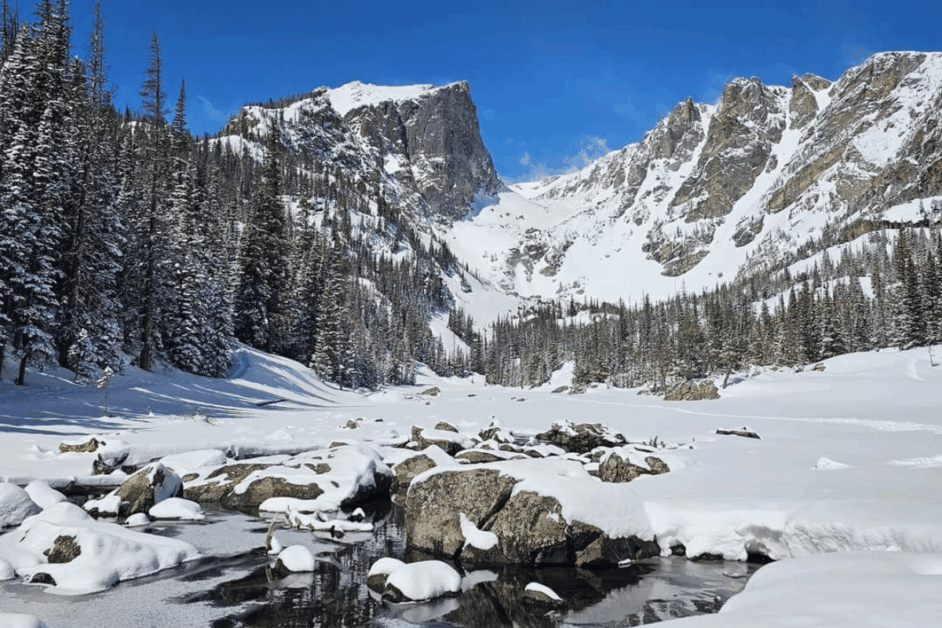
April is a transitional month in Rocky Mountain National Park, with the weather slowly warming up after the cold winter months. However, it’s still considered a winter month, and you should be prepared for cold temperatures and potential snowfall.
Here are some things to keep in mind when planning your visit to Rocky Mountain National Park in April:
- Temperatures: The average high temperature in April is around 54°F, while the average low temperature is around 31°F. However, temperatures can vary greatly depending on your elevation and location within the park. At higher elevations, temperatures can be much colder, and it’s not uncommon to experience below-freezing temperatures.
- Snow: April is still considered a snowy month in Rocky Mountain National Park, and it’s not unusual to see snow on the ground and falling from the sky. The amount of snow you’ll encounter will depend on your elevation and location within the park. The east side of the park at Estes Park (7,500 feet) has less snow, while the west side of the park at Grand Lake (8,300 feet) has more snow.
- Weather variability: The weather in Rocky Mountain National Park can be highly variable, and it’s not uncommon to experience multiple weather conditions in a single day. It’s important to come prepared with layers and appropriate gear for cold, wet, and windy conditions.
Despite the potential for cold temperatures and snow, April is a great time to visit Rocky Mountain National Park. You’ll have the opportunity to see the park in a unique winter/spring transition, with rushing waterfalls from snowmelt and frozen lakes. Just be sure to come prepared for the weather conditions you may encounter during your visit.
Avalanche Danger
If you’re visiting Rocky Mountain National Park in April, it’s important to understand that avalanche danger is still very real, even though it’s technically spring. RMNP’s high elevation means winter conditions linger well into April, especially above treeline.
Snowpack can be unstable due to a mix of deep winter snow, warming temperatures, and spring freeze–thaw cycles, which often increase the risk of wet avalanches in the afternoon. Popular spring routes for snowshoeing, backcountry skiing, and even some hiking areas can cross or sit below avalanche terrain.
Before heading out, always check the Colorado Avalanche Information Center (CAIC) forecast, start early to avoid afternoon warming, carry proper safety gear if traveling in snow-covered backcountry, and don’t hesitate to turn around if conditions feel off. April can be stunning in RMNP, but it’s a month where preparation and caution really matter.
Activities in Rocky Mountain National Park in April
If you’re planning a trip to Rocky Mountain National Park in April, you’ll find plenty of activities to keep you busy. From hiking to wildlife viewing, scenic drives to camping, there’s something for everyone in this beautiful national park.
Hiking
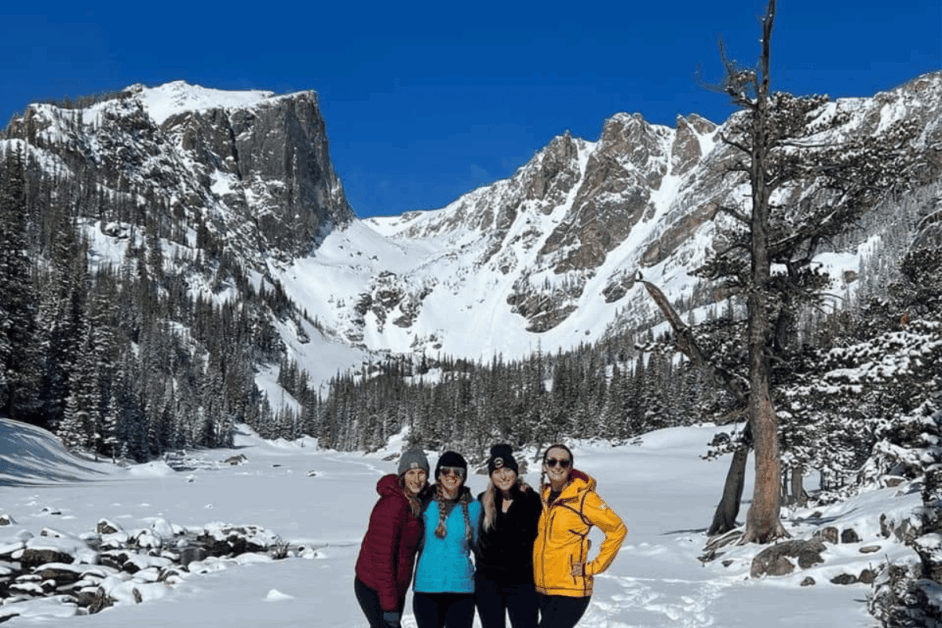
Rocky Mountain National Park is known for its incredible hiking trails, and April is a great time to explore them. Some of the lower elevation trails will be clear of snow, making them accessible for hikers of all skill levels.
Some popular hikes to consider include:
- Bear Lake Trail: This easy, 0.8-mile loop trail is a great option for families and those looking for a short, scenic hike. It offers stunning views of the surrounding mountains and Bear Lake itself.
- Emerald Lake Trail: This moderate, 3.6-mile round-trip hike takes you past three beautiful alpine lakes and offers incredible views of Hallett Peak and Flattop Mountain.
- Alberta Falls: A short, scenic walk through pine forest and along rushing water, making it one of the most accessible and rewarding waterfall hikes in Rocky Mountain National Park. The waterfall was still all covered with snow when we visited.
When we visited in April, the trails were still pretty snow-packed, so crampons were a must. We had one friend without them, so I shared one of mine, but it definitely made it much more slick.

Wildlife Viewing
April is a great time to spot wildlife in Rocky Mountain National Park. As the snow begins to melt, animals start to emerge from their winter hiding spots. Keep your eyes peeled for elk, moose, bighorn sheep, and mule deer. You may even spot a black bear if you’re lucky!
Scenic Drives
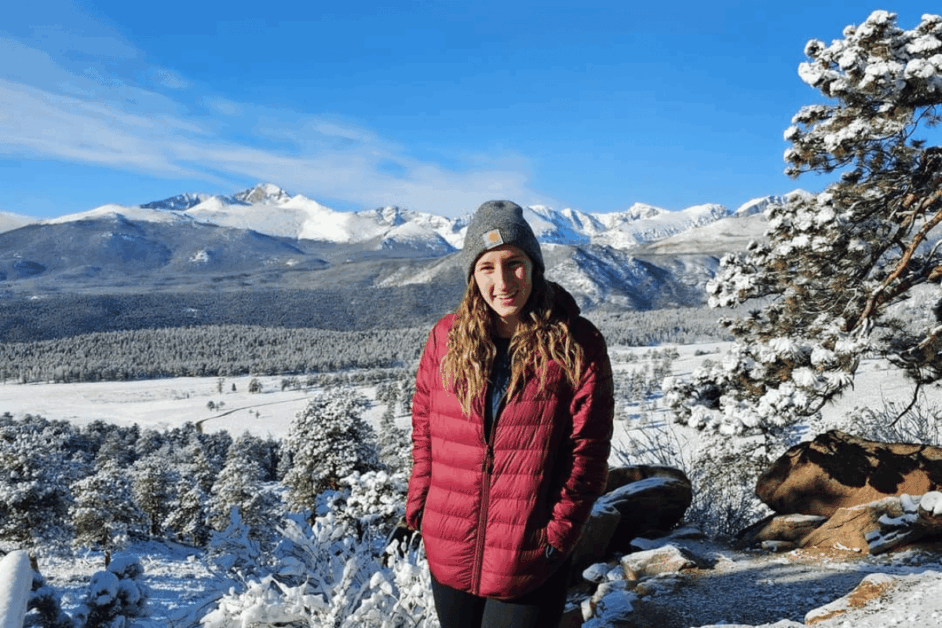
If you want to take in the beauty of Rocky Mountain National Park without hitting the trails, there are plenty of scenic drives to choose from.
April is a beautiful, but limited, time for scenic driving in Rocky Mountain National Park, as winter conditions still linger at higher elevations. The park’s most famous drive, Trail Ridge Road, is typically closed in April due to deep snow and avalanche risk.
Bear Lake Road is usually open year-round and is one of the best scenic drives in April, providing access to iconic viewpoints and trailheads, just be prepared for snow-packed roads, limited parking, and winter driving conditions.
Old Fall River Road remains closed until summer.
No matter which road you drive, plan for winter tires or AWD/4WD, check road conditions before you go, and start early in the day to avoid icy patches that can form overnight.
Snowshoeing
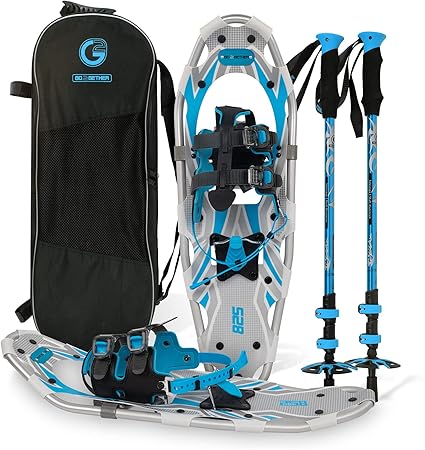
Snowshoeing is one of the best ways to experience Rocky Mountain National Park in April, when deep snow still blankets much of the park, but crowds are minimal.
Many lower- and mid-elevation trails remain snow-covered, making snowshoes essential rather than optional, especially after late-season storms. April conditions can change quickly, with firm, icy snow in the morning and softer, wetter snow by afternoon, so starting early is key.
Always check the forecast and current trail conditions before heading out, be mindful of avalanche terrain, and choose well-traveled routes like those along Bear Lake Road or in Moraine Park.
Snowshoe rentals near RMNP
- Estes Park Mountain Shop – A local outdoor rental shop in Estes Park with snowshoe rentals (plus poles and other winter gear) perfect for exploring RMNP’s snowy trails.
- Scot’s Sporting Goods – Sporting goods store that offers snowshoe rentals along with other outdoor gear, and can help outfit you for snowshoeing adventures.
- Kirks Mountain Adventures – Outdoor gear and equipment rental provider in Estes Park that includes snowshoe rentals and can also help with local trail advice or guided outings
Skiing
In April, cross-country skiing in Rocky Mountain National Park is a rewarding way to experience the park’s lingering winter scenery, but it requires the right expectations and equipment. Trails and roads are not groomed, so snow conditions can be highly variable, ranging from firm and icy in the morning to soft, wet snow by afternoon, making early starts ideal.
Backcountry or Nordic touring skis with metal edges are strongly recommended over traditional track skis, as they provide better stability and control on uneven, wind-scoured terrain.
Some of the best areas for spring skiing include Bear Lake Road (when snow-covered or closed to vehicles), Moraine Park, Hidden Valley, and the lower sections of Old Fall River Road, which all offer wide corridors and relatively gentle terrain.
Other Things to Do Near Rocky Mountain National Park in April
- Explore Estes Park – Walk the Riverwalk, browse local shops, and enjoy a quieter shoulder season before summer crowds arrive.
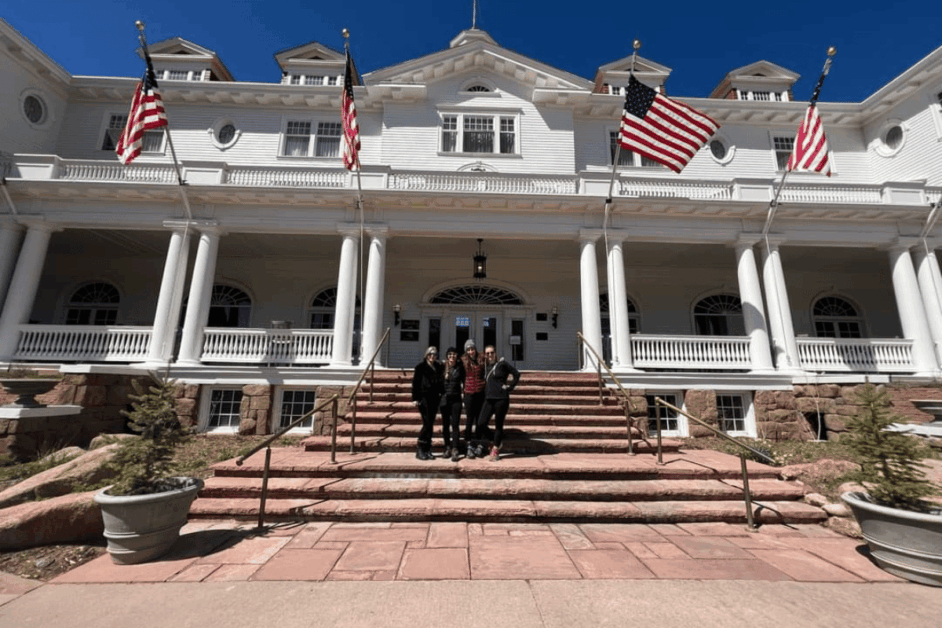
- Visit the Stanley Hotel – Take a history or ghost tour, explore the grounds, or enjoy a drink with mountain views.
- Local Breweries & Distilleries – Warm up at Estes Park Brewery, Lumpy Ridge Brewing, or other cozy taprooms in town.
- Scenic Canyon Drives – Drive Big Thompson Canyon or the Peak to Peak Highway (weather permitting) for dramatic spring mountain scenery without entering the park.
- Hiking in Boulder – Lower-elevation trails around Chautauqua Park and Mount Sanitas often melt out earlier than RMNP, making April one of the best months for snow-free hiking with iconic Flatirons views. Here’s how to spend one weekend in Boulder!
- Day Trip to Lyons – A laid-back mountain town with riverside walks, local dining, and a strong arts and music scene.
- Hot Springs in Idaho Springs – Soak at Indian Hot Springs for a relaxing contrast to chilly mountain days. Idaho Springs is one of my favorite places to spend a weekend in Colorado!
- Downtown Longmont – Enjoy a less touristy downtown with great restaurants, breweries, and coffee shops about 45 minutes from Estes Park.
Rocky Mountain National Park in April Recap
No matter what activities you choose to do in Rocky Mountain National Park in April, you’re sure to have an unforgettable experience. Just remember to dress in layers, as the weather can be unpredictable in the mountains. Happy exploring!


Be the first to comment