

Best Himalayan Treks in Nepal for Mountain Views and Local Culture
Nepal’s Himalayas offer much more than dramatic mountain views. A day on the trail can take you from quiet forests and rushing rivers to high mountain passes, while evenings are spent in villages where local traditions remain part of everyday life.
From the Langtang Valley Trek, known for its Tamang culture and mountain scenery, to a trek to Manaslu Circuit, which leads through remote valleys and traditional Himalayan villages, Nepal has routes for travelers seeking both natural beauty and cultural experiences.
The best Himalayan treks in Nepal combine these two sides of the mountains: spectacular scenery and meaningful cultural experiences. Some routes take you through Tamang villages close to Kathmandu, while others lead deep into remote valleys shaped by Tibetan Buddhist traditions.
But which trek should you choose? The answer depends on what you want from your time in the mountains. Langtang Valley is ideal for a shorter Himalayan experience, while Manaslu offers a more remote journey through traditional mountain communities.
Everest is famous for its Sherpa culture and iconic peaks, while the Annapurna Circuit stands out for its incredible landscape and cultural diversity.
Side Note! This is a guest post from Magical Nepal. These hikes are still on my (Jordan’s) bucket list! If you have any questions, reach out to the experts over there!
Table of Contents
What Makes a Himalayan Trek in Nepal Worth Taking?
A great Himalayan trek is not only about reaching a high viewpoint. The experience comes from everything you encounter along the trail.
Mountain scenery is, of course, one of the biggest attractions. Depending on the route, you may walk beneath snow-covered peaks, cross suspension bridges over deep valleys, pass glacial rivers, or climb a high mountain pass.
Culture adds another dimension to the journey. Traditional villages, monasteries, prayer flags, mani walls, and local homes offer a glimpse into how Himalayan communities have adapted to life in the mountains.
The trail experience also matters. A route with comfortable tea houses and good access from Kathmandu may suit first-time trekkers, while someone looking for solitude may prefer a more remote circuit.
The best trekking routes in Nepal bring these elements together. They allow you to enjoy the mountains while also spending time in communities that give each region its own character.
Best Himalayan Treks in Nepal for Mountain Views and Culture
Here are some of the best routes to consider when mountain scenery and local culture are both high on your list.
1. Langtang Valley Trek – Mountains and Tamang Culture
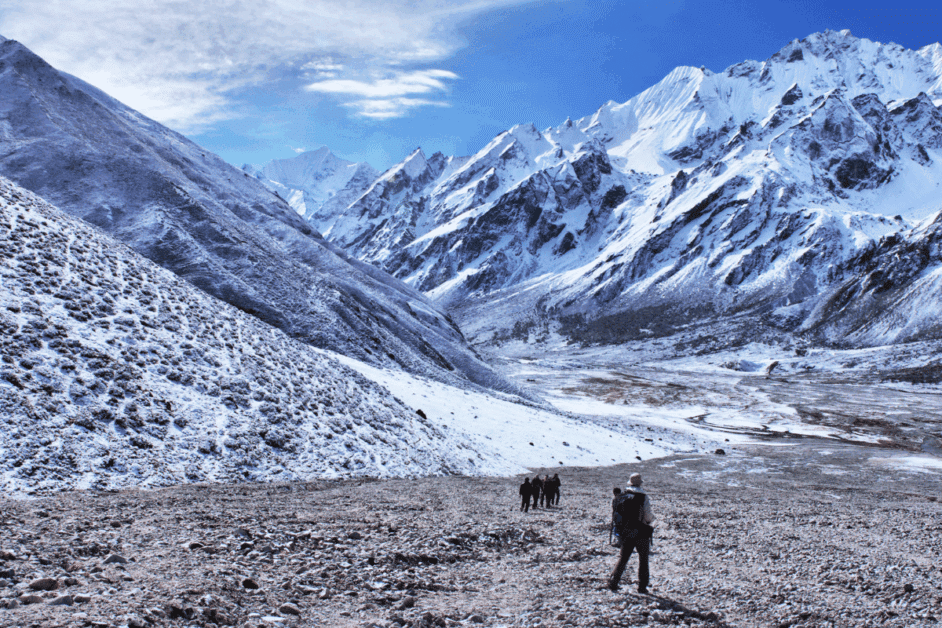
The Langtang Valley Trek is one of the best choices for trekkers who want a Himalayan experience without traveling far from Kathmandu. The trail reaches the Langtang region after a drive north of the capital and gradually enters a landscape of forests, mountain villages, rivers, and high alpine terrain.
The scenery becomes increasingly impressive as you move deeper into the valley. Langtang Lirung dominates the skyline, while surrounding peaks create a dramatic backdrop around the trail.
Culture is just as important to the experience. The region is home to Tamang communities with strong Buddhist traditions. Along the route, you can see traditional houses, prayer flags, mani walls, and monasteries while learning about local mountain life.
Kyanjin Gompa is one of the major highlights of the trek. From here, trekkers can explore the surrounding valley and take optional hikes toward viewpoints such as Kyanjin Ri or Tserko Ri.
Langtang is also a good option for travelers with limited time. The trek can be completed in a relatively short period compared with longer Himalayan circuits, while still offering impressive mountain scenery and cultural experiences.
For trekkers looking for an accessible introduction to the Himalayas, Langtang offers a strong balance of mountains, villages, Buddhist culture, and adventure.
2. Manaslu Circuit Trek – Remote Mountains and Himalayan Villages
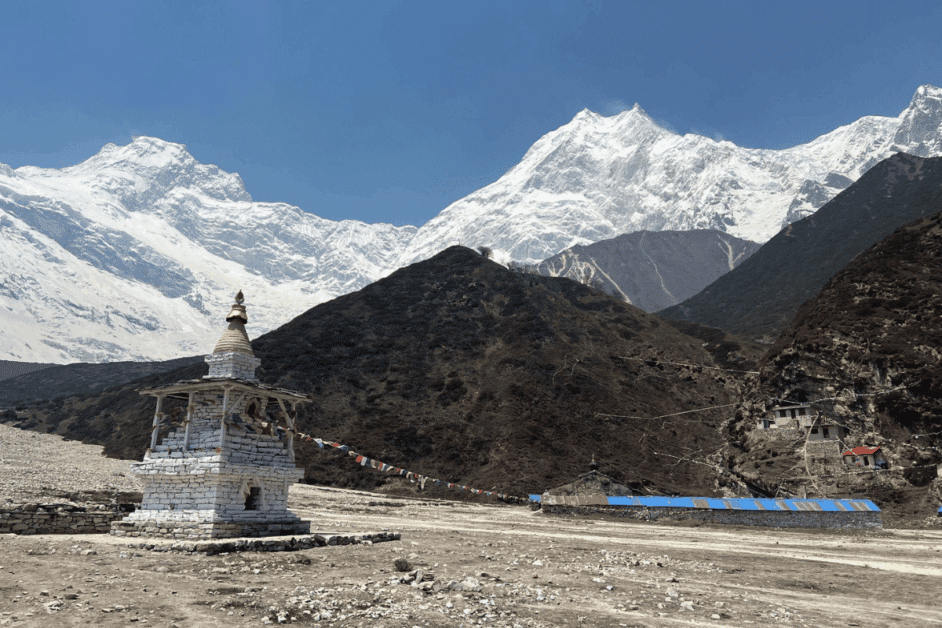
For trekkers who want a more remote Himalayan experience, a trek to Manaslu Circuit offers one of Nepal’s most rewarding journeys through remote mountain landscapes and traditional Himalayan villages.
The trail follows the Budhi Gandaki Valley through a constantly changing landscape. Lower sections feature green hills, waterfalls, forests, and traditional settlements. As the trail climbs higher, the scenery becomes increasingly rugged, with snow-covered peaks and glacial valleys surrounding the route.
Mount Manaslu, at 8,163 meters, is the major mountain attraction. However, the cultural experience is just as memorable.
Villages such as Lho, Samagaun, and Samdo have strong Tibetan Buddhist influences. Mani walls, prayer flags, monasteries, and traditional houses appear throughout the higher sections of the trail. Spending time in these villages gives trekkers an opportunity to see a side of Himalayan life that feels far removed from the busy cities below.
The crossing of Larkya La Pass is another major highlight. At high altitude, the landscape opens into an expansive mountain panorama before the trail descends toward the Annapurna region.
The Manaslu Circuit is more demanding than shorter routes such as Langtang Valley. It also involves restricted-area regulations and requires proper permits and a licensed guide.
For travelers who value remote trails, dramatic mountain scenery, and traditional Himalayan culture, Manaslu is an excellent choice.
3. Everest Base Camp Trek – Iconic Peaks and Sherpa Heritage
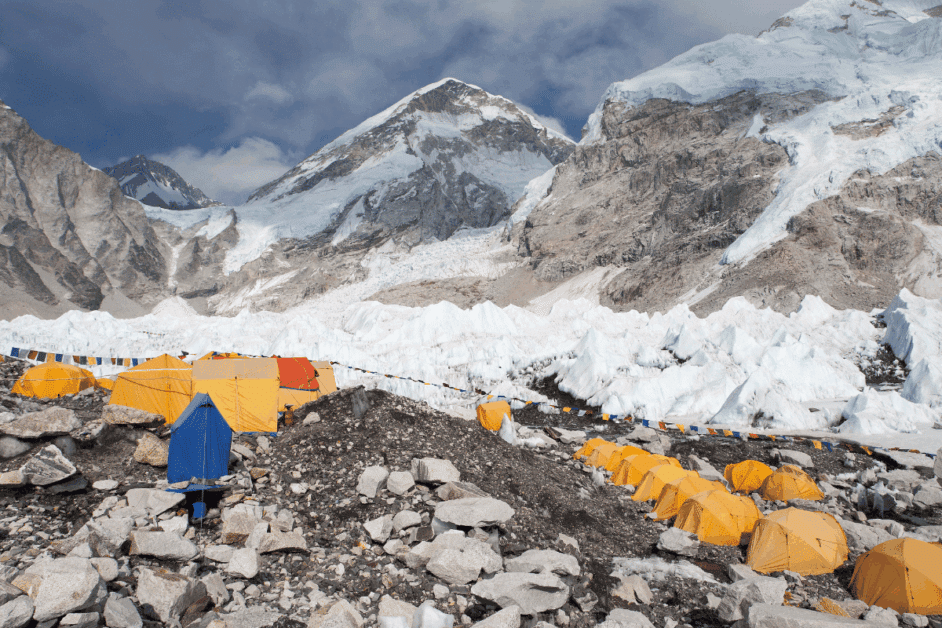
The Everest Base Camp Trek is one of the most famous Himalayan journeys in the world. Its appeal goes beyond seeing Mount Everest.
The trail passes through the heart of the Khumbu region, home to the Sherpa people. Villages such as Namche Bazaar and Tengboche provide opportunities to experience the culture and traditions of the region.
Namche is an important trading and acclimatization center. Trekkers can explore the town, interact with local people, and enjoy views of the surrounding mountains.
Tengboche is another major cultural highlight. Its monastery sits among spectacular Himalayan scenery and remains an important spiritual center in the region.
Of course, the mountains are a major reason people choose this route. Everest, Lhotse, Ama Dablam, Nuptse, and other peaks appear throughout the journey.
The viewpoint at Kala Patthar provides one of the classic panoramas of Everest and the surrounding mountains.
If your priority is iconic Himalayan scenery combined with Sherpa culture, Everest Base Camp remains one of Nepal’s strongest choices.
4. Annapurna Circuit Trek – Diverse Landscapes and Mountain Communities
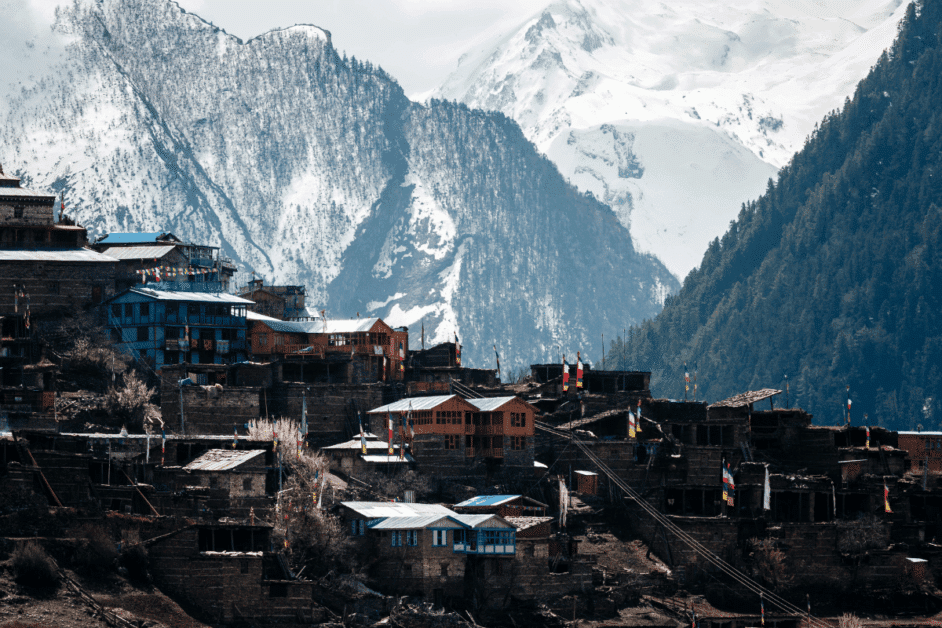
The Annapurna Circuit is famous for its remarkable geographical and cultural diversity.
Few Himalayan treks change scenery as dramatically over the course of a single journey. The trail passes through green valleys and forests before reaching the drier landscapes around Manang and eventually crossing the high Thorong La Pass.
The cultural experience changes along with the landscape. Different communities, languages, traditions, and religious practices can be encountered throughout the route.
Manang is one of the major cultural highlights. Its traditional villages, monasteries, and surrounding mountain scenery make it a memorable stop for trekkers.
The route also provides impressive views of Annapurna, Dhaulagiri, Manaslu, and other major Himalayan peaks.
For travelers who want to experience varied landscapes and cultural diversity in one trek, the Annapurna Circuit is difficult to overlook.
5. Upper Mustang Trek – Tibetan Culture and Desert Mountains
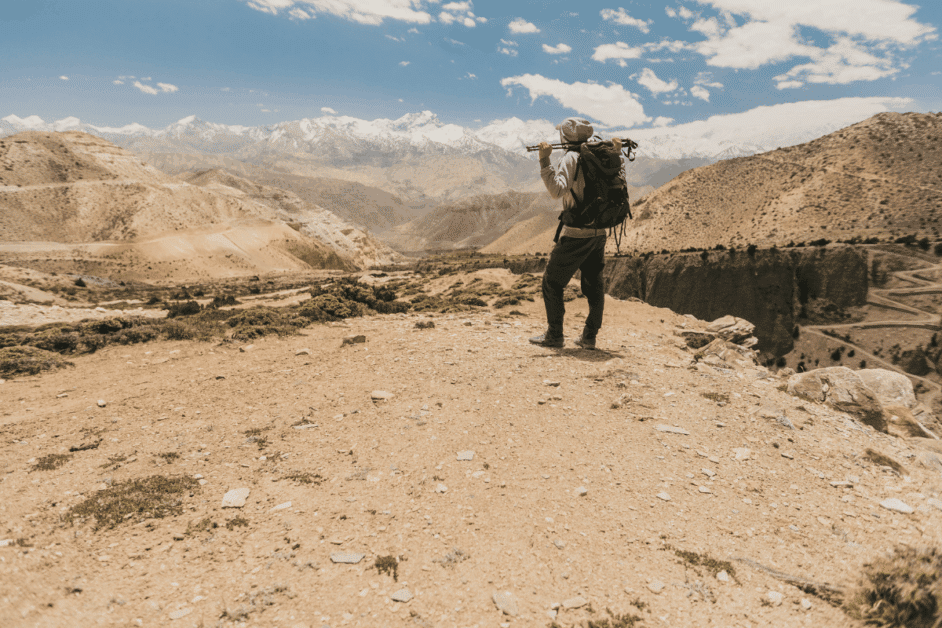
Upper Mustang feels very different from the forested valleys found on many other Nepal trekking routes.
The region sits in the rain shadow of the Annapurna and Dhaulagiri ranges, creating a dry, desert-like Himalayan landscape. Wind-carved cliffs, barren hills, caves, and ancient settlements dominate the scenery.
The cultural character is equally distinctive. Upper Mustang has strong Tibetan influences, reflected in its monasteries, traditional homes, festivals, and centuries-old customs.
Lo Manthang is the cultural heart of the region. Its historic settlement and surrounding landscapes provide a fascinating look into the history of the Himalayan kingdom of Mustang.
This trek is particularly appealing to travelers who want something beyond classic snowy mountain scenery. Instead, it combines ancient culture, dramatic landscapes, and Tibetan-influenced Himalayan traditions.
6. Gosaikunda Trek – Sacred Lakes and Mountain Scenery
The Gosaikunda Trek is a good option for travelers looking for mountain scenery and cultural significance on a shorter Himalayan adventure.
The route passes through forests and mountain settlements before reaching the high-altitude Gosaikunda Lake. The lake holds deep religious importance for both Hindu and Buddhist communities.
The surrounding alpine landscape becomes especially impressive as the trail climbs toward the high mountain passes.
For many trekkers, the combination of sacred lakes, mountain views, and local traditions makes Gosaikunda different from a standard mountain trek.
Its relatively accessible location also makes it an attractive option for travelers who do not have enough time for a long Himalayan circuit.
Which Nepal Trek Offers the Best Mountain Views?
There is no single answer because each route offers a different type of mountain scenery.
- Langtang Valley is excellent for close-up views of Langtang Lirung and the surrounding peaks.
- Manaslu Circuit combines dramatic mountain views with remote valleys and the high Larkya La Pass.
- Everest Base Camp is the obvious choice if seeing Mount Everest is your main goal. The Khumbu also offers impressive views of Ama Dablam, Lhotse, and Nuptse.
- Annapurna Circuit stands out for variety. The scenery changes from subtropical valleys to high-altitude desert landscapes, with major Himalayan peaks appearing along the way.
- Upper Mustang offers a completely different experience, with dry cliffs, barren valleys, and Himalayan peaks surrounding an ancient cultural landscape.
Rather than choosing a trek only because it has the highest mountain or most famous viewpoint, consider what type of landscape you want to experience.
Which Trek Is Best for Experiencing Local Culture?
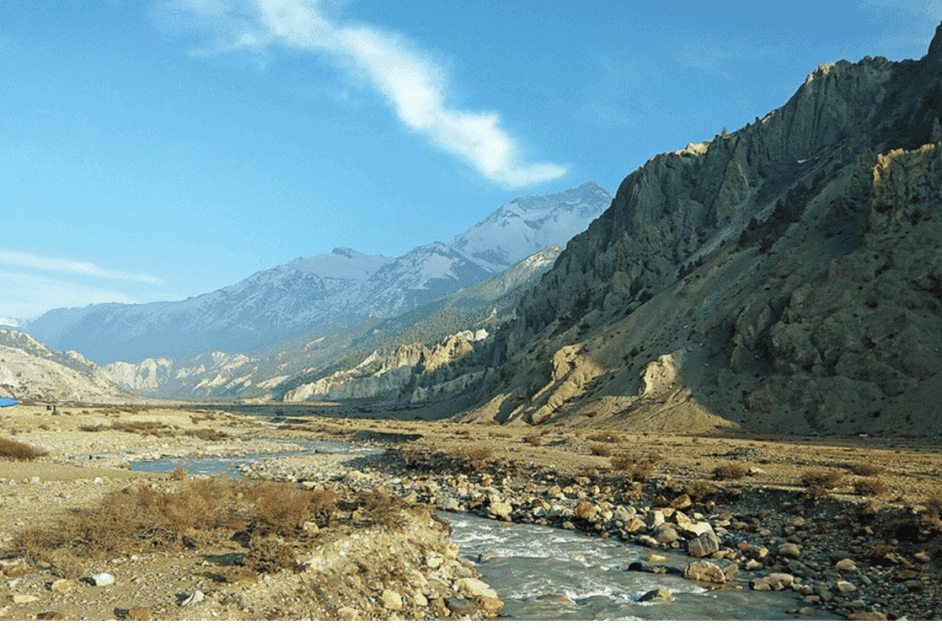
Each trekking region has its own cultural identity.
- Langtang Valley is particularly well known for Tamang culture and Buddhist traditions. Its villages provide an accessible introduction to Himalayan community life.
- Manaslu Circuit offers strong Tibetan cultural influences, particularly around Lho, Samagaun, and Samdo. Its more remote setting can make the cultural experience feel especially immersive.
- Everest Base Camp is closely connected with Sherpa culture. Monasteries, prayer flags, and traditional villages are important parts of the journey.
- Annapurna Circuit offers considerable cultural diversity, with different communities and traditions encountered as the trail crosses several geographical zones.
- Upper Mustang is ideal for travelers interested in Tibetan-influenced traditions, ancient settlements, and Himalayan history.
Whichever route you choose, remember that trekking through these communities means being a respectful visitor. Ask before photographing people, respect religious sites, and support locally owned tea houses, shops, and services where possible.
How to Choose the Right Himalayan Trek in Nepal
Choosing a trek becomes easier when you focus on what matters most to you.
Choose Based on Trek Duration
If you have limited time, Langtang Valley or Gosaikunda can provide a rewarding Himalayan experience without requiring a very long itinerary.
If you have more time, longer routes such as Manaslu Circuit, Annapurna Circuit, or Everest Base Camp offer a deeper journey through the mountains.
Choose Based on Difficulty
Not every Himalayan trek requires the same level of preparation.
Lower and shorter routes can be suitable for people with moderate trekking experience, while routes involving high passes require better preparation and acclimatization.
Manaslu, Everest, Annapurna, and Upper Mustang all involve sections at significant altitude, so fitness and proper acclimatization are important.
Choose Based on Culture
If cultural interaction is your priority, think about which communities you would most like to experience.
Choose Langtang for Tamang culture, Everest for Sherpa heritage, Manaslu for Tibetan-influenced mountain communities, or Upper Mustang for its distinctive Tibetan cultural landscape.
Choose Based on Remoteness
Langtang is relatively accessible from Kathmandu, while routes such as Manaslu offer a stronger sense of remoteness.
If you want to get farther away from busy trekking areas and experience quieter villages, a more remote route may suit you better.
Best Time to Experience Nepal’s Himalayan Treks
The best trekking season depends on the region and altitude, but spring and autumn are generally popular periods for trekking in Nepal.
Spring – March to May
Spring brings warmer temperatures and increasingly good trekking conditions. Lower sections of many routes become especially attractive as rhododendrons and other flowers begin to bloom.
Autumn – September to November
Autumn is widely considered one of the best periods for Himalayan trekking. After the monsoon, skies are often clearer, visibility can be excellent, and daytime temperatures are generally comfortable for trekking.
October and November are particularly popular for many high-altitude routes.
Winter – December to February
Winter brings colder temperatures and snow at higher elevations. High passes can become challenging, and conditions vary significantly by route.
However, lower-altitude trekking routes can still be enjoyable during winter with appropriate preparation.
Monsoon – June to August
The monsoon brings rain to much of Nepal. Trails can become wet and muddy, and clouds may obscure mountain views.
Some rain-shadow areas, particularly Upper Mustang, can be more suitable during this period than routes exposed to the monsoon.
What to Prepare for a Himalayan Trek in Nepal
Good preparation can make a major difference to your trekking experience.
Start with physical preparation several weeks before your trip. Regular walking, hiking, stair climbing, and cardiovascular exercise can help build endurance.
Pack clothing in layers because temperatures can change quickly as you gain altitude. Good trekking boots, warm layers, rain protection, gloves, and a reliable sleeping bag are useful for higher routes.
You should also carry a reusable water bottle and a suitable water purification method. Staying hydrated is particularly important at altitude.
Other useful items include trekking poles, sunscreen, sunglasses, a headlamp, basic first-aid supplies, and personal medications.
For high-altitude routes, travel insurance that covers trekking at the elevation of your chosen itinerary is also important.
Finally, check the current permit and guide requirements before starting your trek. Rules can differ between trekking regions.
Conclusion: Best Treks in Nepal
The best Himalayan trek is not necessarily the longest, highest, or most famous route. It is the one that matches the experience you want.
Choose Langtang Valley if you want accessible mountain scenery and Tamang culture. Choose Manaslu if remote trails, dramatic landscapes, and traditional Himalayan villages appeal to you. Everest is a natural choice for iconic peaks and Sherpa heritage, while Annapurna offers remarkable landscape and cultural diversity.
Before booking, consider your available time, fitness, preferred scenery, cultural interests, and comfort with high altitude. With the right route and preparation, Nepal’s Himalayas can offer far more than a collection of mountain photographs, it can give you a genuine connection with the landscapes and communities along the trail.


Comments Off on Best Himalayan Treks in Nepal for Mountain Views and Local Culture