

Best Things To Do In Alaska’s Port Cities (Juneau, Ketchikan, Sitka, & Skagway)
Step off your cruise in Alaska’s port cities, and you’ll find some of the most remarkable adventures in North America. The most popular, Juneau, Ketchikan, Sitka, and Skagway, offer visitors unique experiences. Dog sledding, whale watching, and riding a historic train are all possible.
For those interested in hiking near glaciers, exploring historic mining towns, or engaging in Tlingit culture, Alaska’s vibrant port cities offer authentic experiences hard to find elsewhere. We visit Alaska yearly and bring you the top activities in four ports. While Alaska has more ports, these four are the most common on cruise routes.
This site contains affiliate links to products. I may receive a commission for purchases made through these links at no extra cost to you.
Psst! Virgin Voyages is my FAVORITE cruise line and offers so many amazing Alaskan cruise choices. + It’s adult only, so it’s the perfect getaway for DINKS and busy 9-5ers!
Check out the current deals and offers here!
Table of Contents
Popular Alaskan Port Cities For Cruise Travelers
Most Alaska cruises sail the Inside Passage, stopping at three or four ports on a seven-day trip. Round-trip itineraries usually reach Skagway or Glacier Bay National Park before turning back.
- Juneau is Alaska’s capital and the most visited cruise port. Accessible only by boat or plane, this vibrant city boasts the widest variety of excursions and free activities.
- Ketchikan, the “Salmon Capital of the World,” centers on Alaska Native culture and totem poles. Its collection of over 80 totems is scattered throughout the city. It’s also notably rainy.
- Skagway preserves its Gold Rush character
- While Sitka, on Baranof Island, reflects Russian history.
Top Things to do in Juneau
Alaska’s capital city can accommodate five docked vessels simultaneously. The downtown area sits between steep mountains and the Gastineau Channel, putting natural attractions within easy reach of the port.
1. Whale Watching Cruises
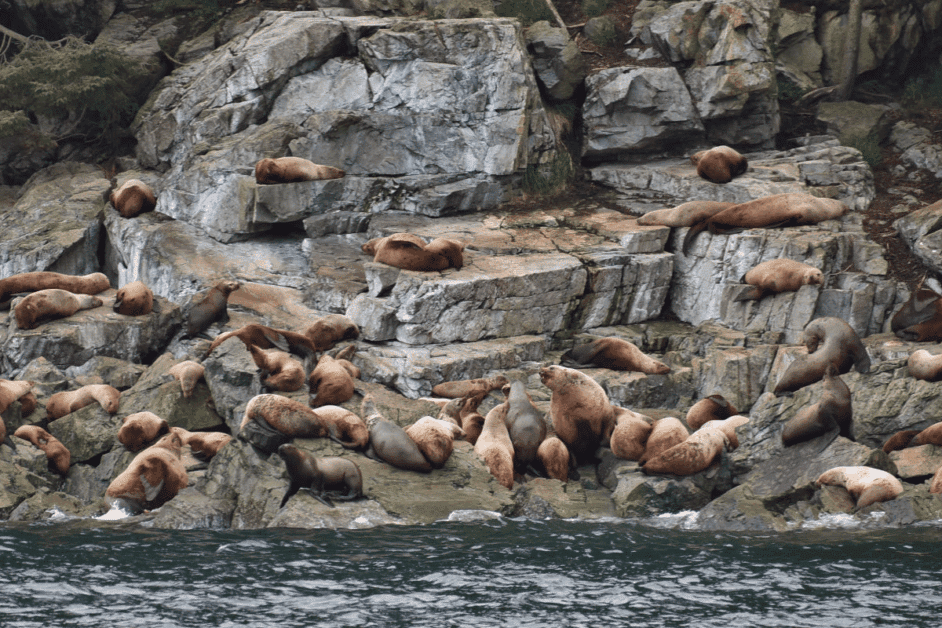
Whale watching in Alaska is amazing, and Juneau offers one of the best places to take an excursion. The waters around the port support humpback whales from May through September. Orcas, sea lions, bald eagles, and harbor seals may be sighted, too.
The Auke Bay area and waters near Point Retreat are particularly productive for whale watching. Water conditions remain relatively calm in the protected channels, reducing the chance of seasickness.
Visitors can choose small boat or catamaran tours with heated cabins. Many cruises feature onboard naturalists who explain whale behavior. Most tours last 3 to 4 hours and are often paired with the Gold Creek Salmon Bake or Mendenhall Glacier.
2. Mendenhall Glacier
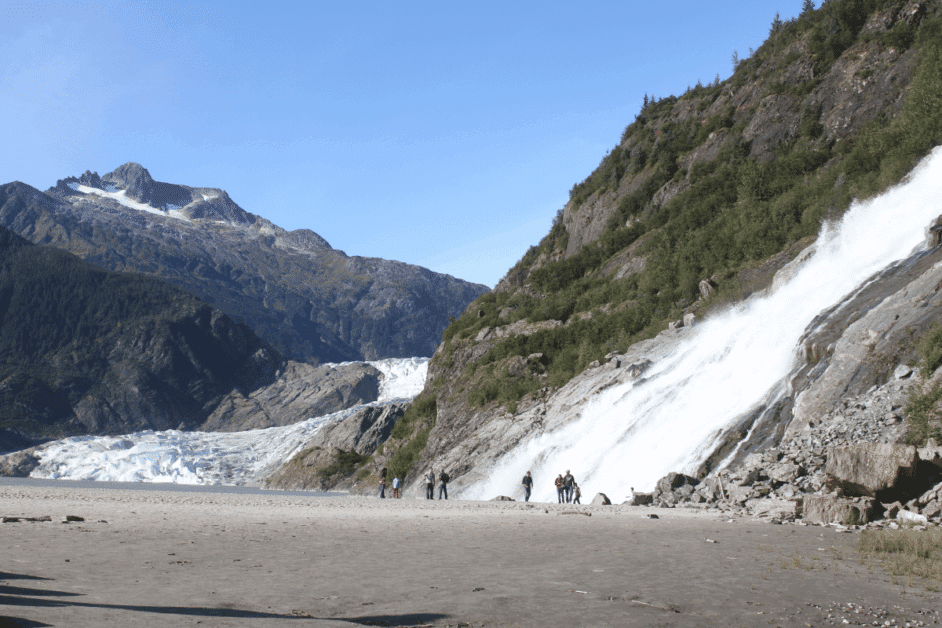
This 13-mile-long glacier flows from the Juneau Icefield and ends at Mendenhall Lake. Located 12 miles from downtown, visitors can take a 30-minute shuttle ride or reach Mendenhall Glacier independently.
The U.S. Forest Service maintains a visitor center with viewing platforms, exhibits about glacial retreat, and trail access. In July and August, salmon spawn in Steep Creek, attracting black bears.
For an added adventure, check out this canoe trip to the glacier!
3. Nugget Falls
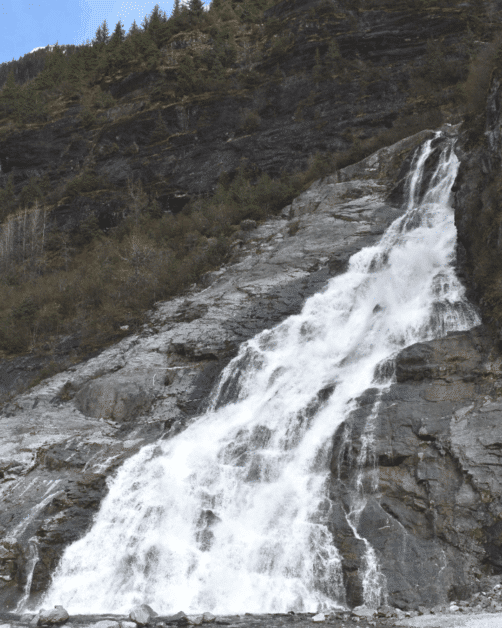
The trail to Nugget Falls is a must. Flat, stroller-friendly, and suitable for all ages, the route ends
at a thunderous cascade.
Other trails include:
- Photo Point Trail (0.5 miles) – An easy, paved route.
- East Glacier Trail (2.8 miles round trip) – A moderate route with nice views.
- West Glacier Trail (6.5 miles round trip) – Offers closer access, but it is quite challenging.
4. Dog Sledding
In summer, glacier dog sledding is possible in Juneau. Tour operators fly to Mendenhall, Norris, and Herbert Glaciers, part of the Juneau Icefield.
Space is limited, and prices are high. Still, few experiences rival the pleasure of mushing a team of dogs on the ice. This bucket-list glacier tour is offered by TEMSCO, Coastal, and Northstar Helicopters. We chose Coastal because their pilots fly year-round, which provides experience with unfavorable weather.
If a helicopter ride isn’t in the budget, dog sledding on a dirt trail offers an unexpected Alaskan twist. Instead of gliding over snow and ice, teams race along wide forest paths on wheeled sleds, blending classic adventure with a dash of surprise.
Is it the same? No, but you’ll complete a bucket list adventure without the premium price tag. Sled Dog Discovery & Musher’s Camp on Douglas Island delivers this adventure.
Book your Coastal Helicopter Tour on Viator!
5. Mount Roberts Tram
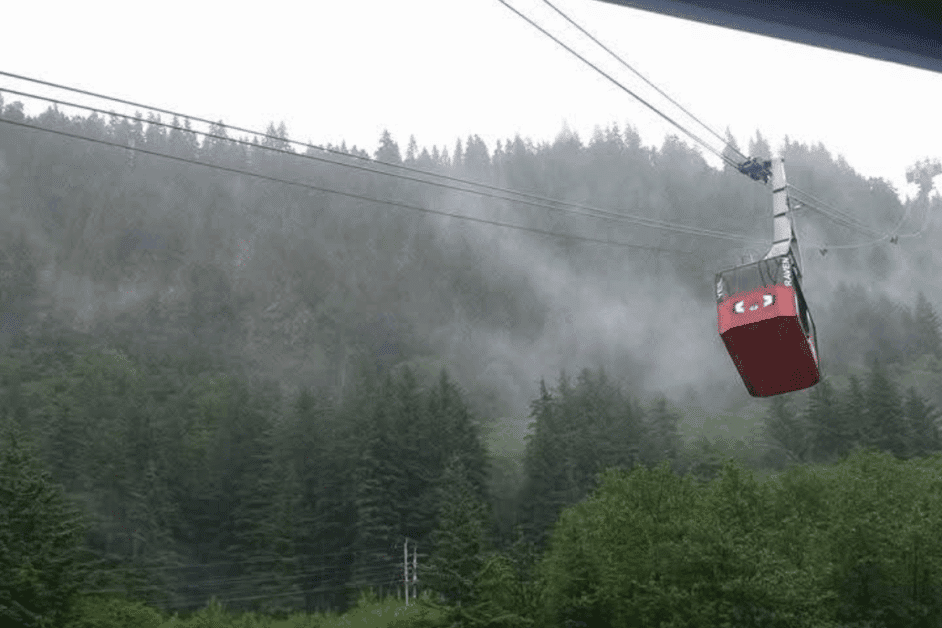
The Goldbelt Tram or Mount Roberts Tramway is a highlight on a clear day. The wheelchair-accessible tram ascends 1,800 feet from the cruise dock area to the summit in 6 minutes. Trams depart every few minutes during cruise ship hours, eliminating waiting times.
The summit includes observation decks, a Tlingit culture theater film, a restaurant, and a gift shop. Clear days offer views of Douglas Island, the Gastineau Channel, and the surrounding mountains.
Mount Roberts features several of Juneau’s premier hiking trails, ranging from the 0.5-mile Alpine Loop to the more demanding 4-mile Gastineau Peak route. Father Brown’s Cross Trail is particularly favored for its panoramic views from the prominent cross. Even in July, snow may be present along these trails.
Top Things to Do in Skagway
Skagway transformed from a muddy tent city into a Gold Rush-booming town in the 1890s. Today, the town preserves this era through its historic district, railway, and trails where prospectors once walked.
1. Klondike Gold Rush Historical Park
Much of Skagway Bay is in the Klondike Gold Rush National Historical Park. It protects Skagway’s downtown historic district, where you’ll find preserved buildings from the 1890s along Broadway Street.
The National Park Service Visitor Center at Broadway and 2nd Avenue makes a great starting point for exploring the town’s gold rush heritage. Take a ranger-led tour or explore on your own; each building has a unique tale.
The park also manages the White Pass Trail and Chilkoot Trail, two routes prospectors used to reach the Yukon goldfields. The Chilkoot Trail starts near Dyea, where you’ll find traces of what was once a rival city that didn’t survive beyond the gold rush years.
2. Railway Journey
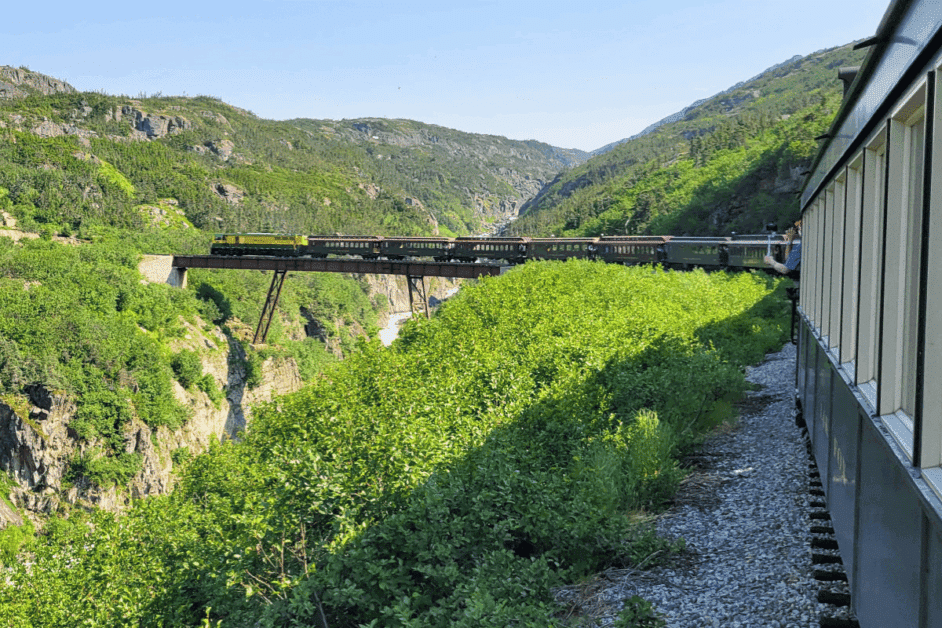
The White Pass & Yukon Route Railway opened in 1900 to gain access to gold camps. Today, this historic railway uses vintage cars to transport visitors from Skagway to the Yukon. The route is scenic, with waterfalls, glaciers, tunnels, and wooden trestles.
The train climbs 2,885 feet through mountain passes where prospectors once struggled on foot. The narrow-gauge railway covers 20 miles to the White Pass Summit. Travel in April/May or Sept/Oct to see snow.
You’ll see the original route prospectors traveled, including Dead Horse Gulch, where thousands of pack animals perished under harsh conditions. The railway offers several excursion options, from the standard summit trip to longer journeys into Canadian territory.
3. Yukon Road Trip
The Klondike Highway connects Skagway to the Yukon Territory, following a route that parallels the old gold rush trails. You can drive to Whitehorse, Yukon’s capital, in about two hours, but most use Emerald Lake as the turnaround point.
You’ll need a passport for this trip since you’re crossing into Canada. The drive provides access to Carcross and its “smallest desert in the world,” the Yukon Suspension Bridge, and Tagish Lake Kennels. The latter is owned by Michelle Phillips, who placed 4th in the 2025 Iditarod Race.
This Skagway to Emerald Lake drive is more about the trip than the destination. The route traverses varied climatic zones, with picturesque lakes, cascading waterfalls, and towering summits. Be sure to stop in the Tormented Valley. It’s stark, weather-beaten, but silently beautiful!
4. Museums And Moore Homestead
The Skagway Museum, inside the 1899 McCabe College Building, offers an easy walk through Skagway’s past. You’ll see gold rush tools, Tlingit cultural items, old photos, and everyday belongings from early residents.
The Moore Homestead (Spring and 5th Streets) once belonged to Captain William Moore. He claimed the land in 1887, before Skagway even existed. The simple cabin shows how life looked before thousands of stampeders poured in.
Around town, you’ll also spot smaller museums and maintained storefronts. Together, they recreate the lively feel of Skagway in 1898. Don’t be surprised to see locals in period costumes.
5. Helicopter with Glacier Landing
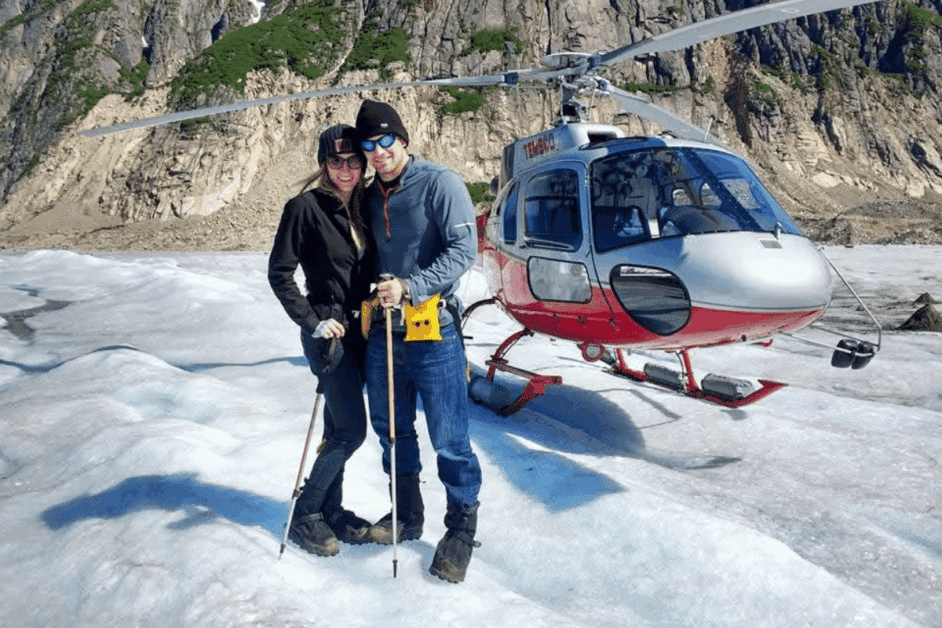
A helicopter glacier landing in Skagway is one of the most unforgettable experiences you can have in any Alaska port city. Within minutes of takeoff, you’re transported from historic downtown Skagway to a dramatic alpine landscape of jagged peaks, vast ice fields, and sweeping mountain views that feel completely untouched. I was completely blown away!
After a brief safety orientation and gear fitting (boots and safety harness included) you’ll board the helicopter for a scenic flight over Alaska’s rugged backcountry before touching down directly on a glacier. Once on the ice, you’ll have time to explore the frozen terrain, take photos, and even sample fresh glacial water.
It’s definitely a splurge, but one of my favorite things I have ever done. We booked this one with Temsco!
Ketchikan’s Top Activities
Ketchikan features genuine Alaska experiences focused on Native heritage, cultural sites, and top-tier fishing. Its compact downtown lets you sample several attractions on a single visit. A half-day can include stops at a totem park, a stroll along Creek Street, and a visit to a museum.
1. Totem Poles
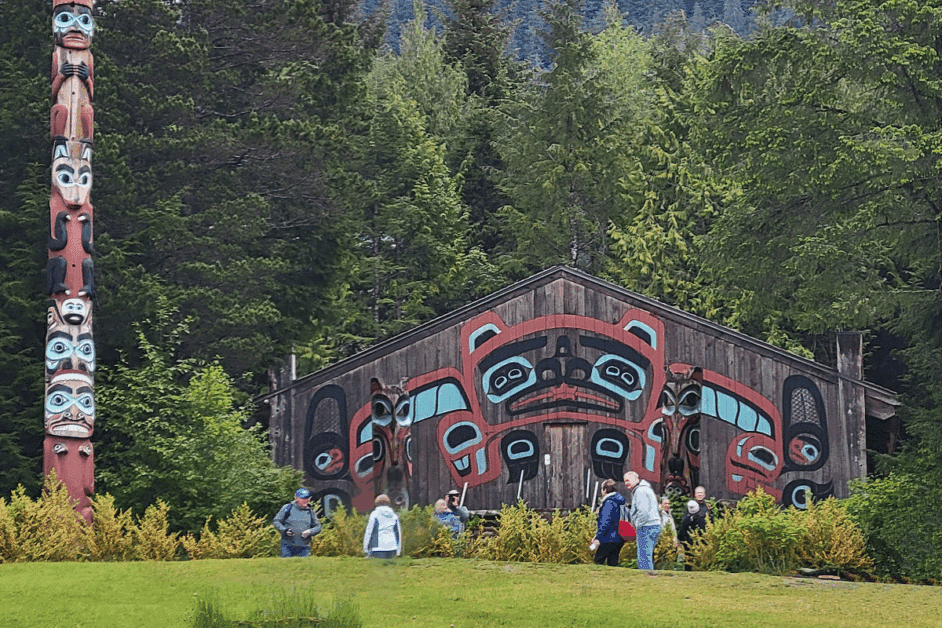
Ketchikan holds the world’s largest collection of standing totem poles, with over 80 poles displayed throughout the city. Totem Bight Park and Saxman Native Village showcase authentic Tlingit, Haida, and Tsimshian poles that depict the histories of clan lineages.
2. Saxman Native Village
Creek Street, the historic boardwalk district, provides access to several totems within walking distance of the cruise docks. The best examples are the Chief Johnson Totem Pole on Totem Way and the Chief Kyan Totem Pole in Whale Park.
A half mile east of Creek Street, the Totem Heritage Center houses 33 original 19th-century poles. These unrestored poles demonstrate traditional carving techniques and natural weathering patterns.
Creek Street
Ketchikan’s Creek Street is a charming, historic boardwalk that winds alongside a picturesque waterway. It offers visitors a colorful insight into the town’s rich past. Previously a thriving red-light district in the early 20th century, this vibrant area is now a hub for galleries, shops, and cafes.
The colorful wooden buildings perched over the water, including the iconic Dolly’s House Museum, welcome exploration. Plaques tell the story of each building’s former residents. The boardwalk offers scenic views and the chance to see a salmon run during spawning season. Even if the fish aren’t running, walk further to see the salmon ladder.
3. Lumberjack Show
The Great Alaskan Lumberjack Show is a family-friendly attraction near the cruise port. With a covered arena, it’s an ideal activity on a wet day. The show features professional athletes competing in timber sports.
Enjoy axe throwing, logrolling, speed climbing, and chainsaw carving, all of which encourage audience participation. You’ll watch competitors scale 50-foot poles in under 20 seconds and slice through logs with two-person crosscut saws. The show highlights logging techniques used during Ketchikan’s timber industry peak in the early 1900s.
4. Fishing Excursions
Salmon runs in Ketchikan span May to September, peaking for king salmon in June and July. As
the “salmon capital of the world,” it’s the premier spot to test your angling skills. Ketchikan boasts five salmon species, as well as halibut, lingcod, and rockfish.
Halibut is available year-round, though summer months produce the most consistent action. Charter operators supply rods, tackle, bait, and fishing licenses included in the trip cost. Should you catch any fish, many places will clean, pack, and ship your catch home. For beginners or young anglers, buy a license, rent gear from a shop, and try your luck on Stedman Bridge.
Book your Ketchikan fishing charter here!
5. Snorkeling
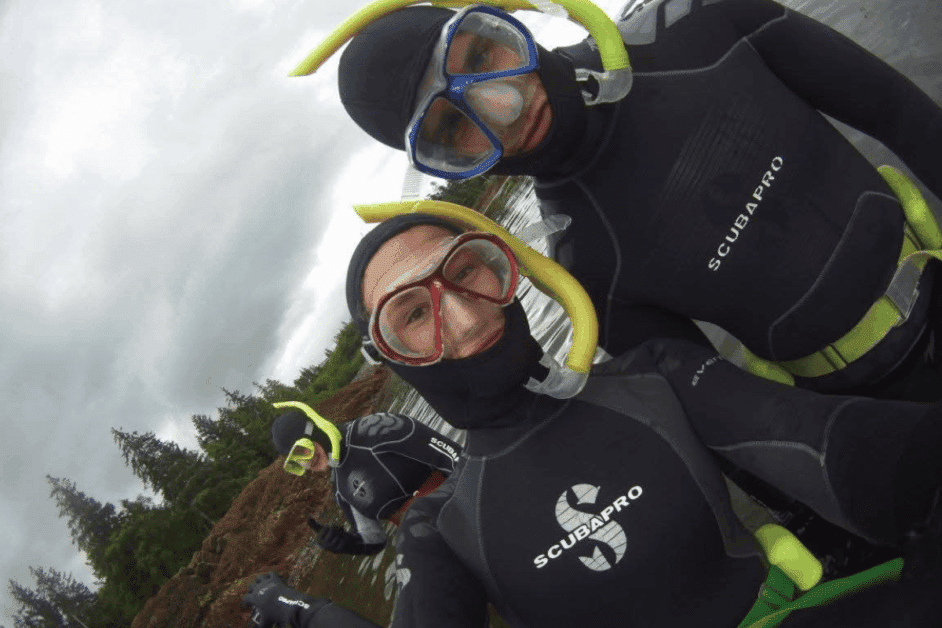
Ketchikan is best known for its rainforests and totem poles, but it also offers one of the most unexpected adventures of any Alaska port city: cold-water snorkeling. Outfitted in thick wetsuits, gloves, boots, and hoods, travelers can safely explore the rich marine life just beneath the surface of Alaska’s coastal waters, where visibility is often surprisingly clear.
Despite water temperatures hovering around 45°F, the insulated wetsuits keep you warm enough to fully enjoy the experience. Once in the water, you’ll spot vibrant starfish, jellyfish, sea anemones, and other marine life unique to the Pacific Northwest. Knowledgeable guides stay close, pointing out wildlife and occasionally lifting specimens for a closer look, making this excursion both adventurous and educational.
Top Things to do in Sitka
Accessible only by air and sea, Sitka shares this unique trait with Juneau. The city sits on Baranof Island, weaving Russian and Tlingit heritage with its natural beauty. Are you drawn to history and culture, or is wildlife viewing your passion? In Sitka, you can enjoy them all.
1. Orthodox Cathedral
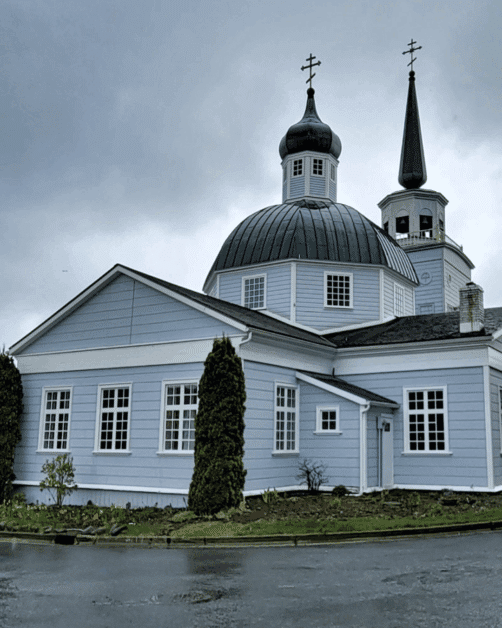
St. Michael’s Russian Orthodox Cathedral dominates Sitka’s skyline with its distinctive onion dome and cross. Built in the 1840s, this National Historic Landmark represents Alaska’s Russian colonial period and is the country’s oldest Orthodox church.
The cathedral’s initial structure burned in 1966, but locals rebuilt it using the original plans and salvaged materials. Today, it remains an active parish and is open to visitors most days. On the outside, St. Michael’s is uninspiring, but its interior shines with impressive artifacts.
Cramped into a small space is a fantastic collection of icons, religious artifacts, and treasures brought from Russia during the 19th century.
2. Historical Sites
Sitka was once the capital of Alaska until Juneau took its place. This town has great historical importance, from Castle Hill, the site where the U.S. flag first flew over Alaska in 1867, to Sitka National Historical Park.
The latter preserves the site of the 1804 battle between Russian forces and Tlingit warriors. Today, visitors can stroll the park’s two-mile coastal trail dotted with restored 19th-century totem poles.
Downtown, the Russian Bishop’s House is one of four surviving Russian colonial buildings in North America. Managed by the National Park Service, its restored rooms display period furniture and explain daily life during Russian rule.
3. Iconic Museums
Sitka’s deep heritage is preserved in its museums, some of the best we explored across all cruise ports. The Sheldon Jackson Museum houses Alaska’s oldest collection of Native artifacts, with over 5,000 items representing Tlingit, Haida, Tsimshian, and other indigenous cultures.
You’ll see intricate carved masks, Bentwood boxes, kayaks, and tools that demonstrate traditional craftsmanship. The most unusual items are clothing pieces made from gut and fish skin.
Alternatively, the Sitka History Museum focuses on the city’s Russian-American period. Located in the historic Harrigan Centennial Hall, its exhibits include original documents, photographs, and items from the 1867 Alaska Purchase ceremony.
4. Wildlife Sanctuaries
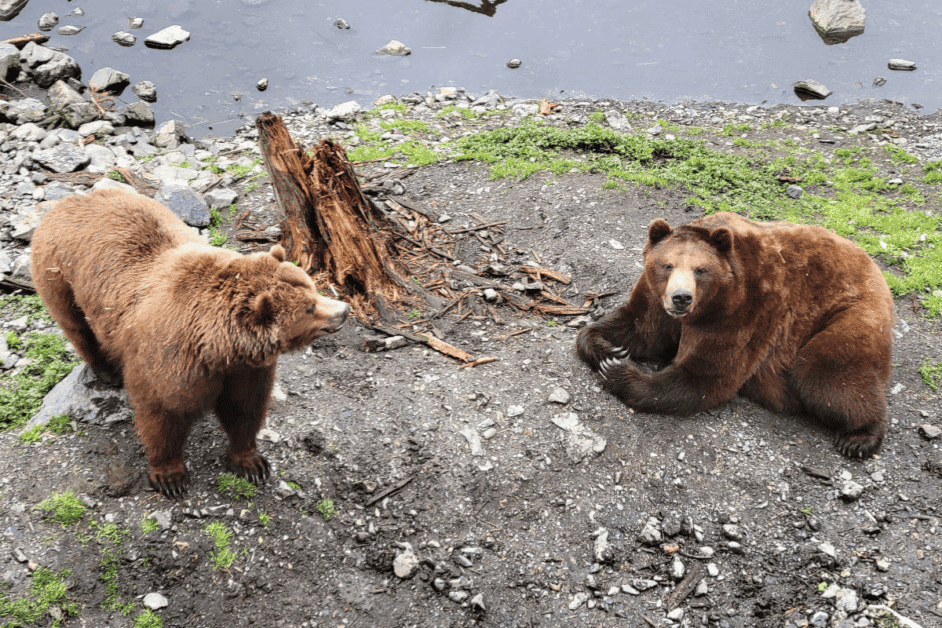
If you prefer a day focused on wildlife, Sitka has two must-visit sanctuaries. The Alaska Raptor Center is a rehabilitation facility that rescues eagles, owls, and other birds of prey. Raptors are returned to the wild whenever possible, but severely injured birds become permanent residents.
Another rescue, the Fortress of the Bear, rescues orphaned bear cubs. The sanctuary currently has five brown bears and three black bears. Visitors can observe their behaviors and watch them feed from elevated boardwalks and through thick windows.
Tours to both sanctuaries are frequently combined with a boat excursion to see otters or with a visit to Sitka National Historical Park.
Four Ports, Endless Alaskan Adventures
From glacier-fed adventures to living history, Alaska’s port cities deliver far more than scenic backdrops. Juneau, Skagway, Ketchikan, and Sitka each offer distinct experiences that reward curious travelers.
Whether you chase wildlife, culture, or gold rush stories, these ports turn a cruise stop into a lasting memory.
Here’s a quick recap of the best things to do in Alaska’s port cities!
Juneau:
- Whale-watching
- Mendenhall Glacier
- Nugget Falls
- Dog Sledding
- Mount Roberts Tram
Skagway:
- Klondike Gold Rush Historical Park
- Railway Journey
- Yukon Road Trip
- Museums and Moore Homestead
- Helicopter with Glacier Landing
Ketchikan:
- Totem Poles
- Saxman Native Village
- Creek Street
- Lumberjack Show
- Fishing
- Snorkeling
Sitka:
- Orthodox Cathedral
- Historical Sites
- Museums
- Wildlife Sanctuaries
Psst! Virgin Voyages is my FAVORITE cruise line and offers so many amazing Alaskan cruise choices. + It’s adult only, so it’s the perfect getaway for DINKS and busy 9-5ers!
Check out the current deals and offers here!
About the Author!
Karen Hosier, of Alaska Trippers, visits Alaska annually, often making more than one trip. She travels by land and sea and shares her love of the state and bucket list excursions she’s tried firsthand.


Comments Off on Best Things To Do In Alaska’s Port Cities (Juneau, Ketchikan, Sitka, & Skagway)